The Birdlife of Griffith Park, DublinOn first glance, or while walking through the park, it seems to be bereft of a lot of birdlife, with just Magpie, Black-headed and Herring Gulls, Feral Pigeons, the resident Mute Swans, and Mallard on the river. However, if one spends some time strolling around, a lot more species can be found. When I track my walk through the park on eBird, I regularly clock up 20+ species in a 30 minute stroll. It is quite good considering how poor the general habitat is. The park could be improved with better management from Dublin City Council. The Tolka River that runs through the park is one of the attractions that lures the varied species one can encounter. However, the quality of the water is mixed, with some discharge at the Glasnevin Bridge near the Our Lady of Dolours Parish Church in Glasnevin.
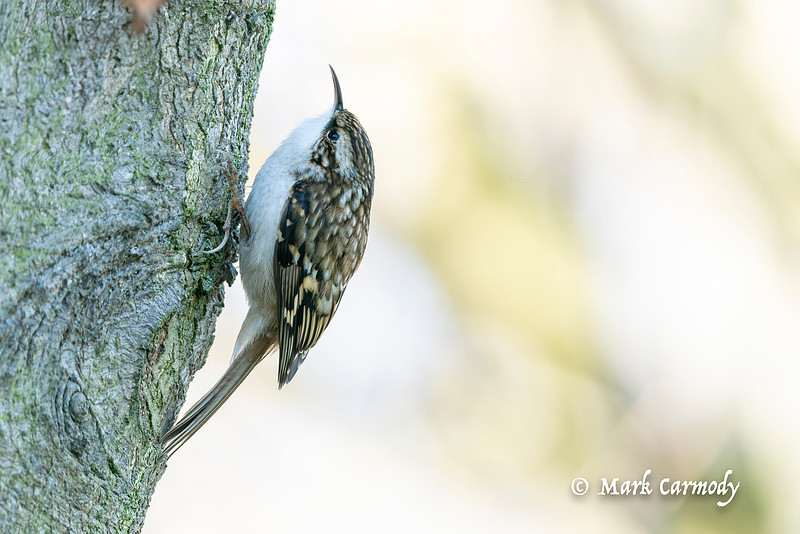
The spread of trees throughout the park lends itself to attract woodland-typic species such as Chaffinch, Treecreeper, Woodpigeon, and thrushes. Song Thrush, Mistle Thrush, and Blackbird all breed in the park. Treecreeper is hard to find at times, but their song is easily heard during the breeding season.
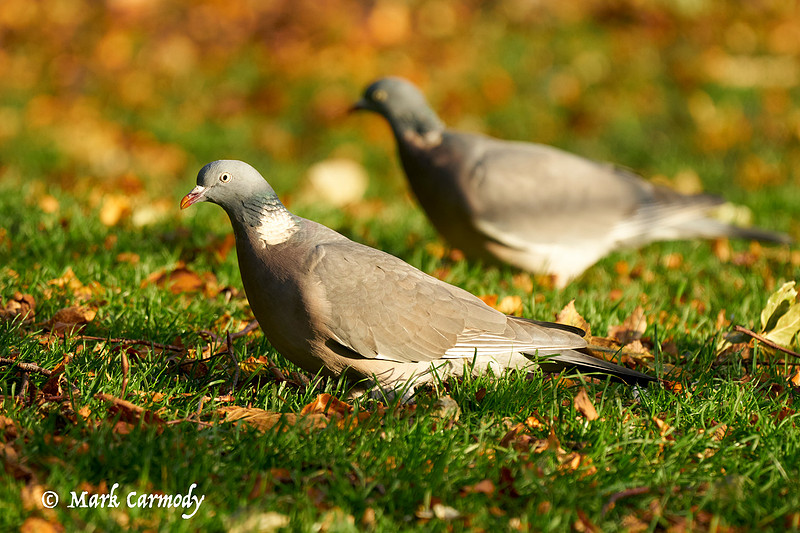
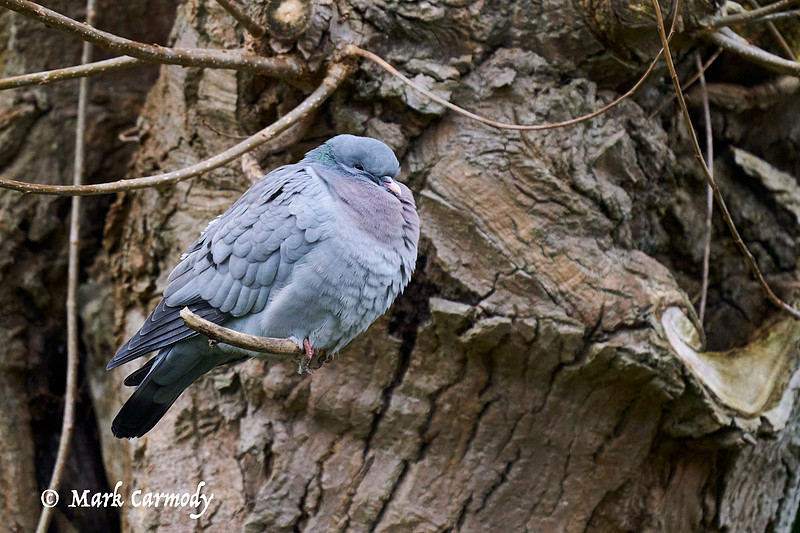
Woodpigeons are a common sight all over the park.
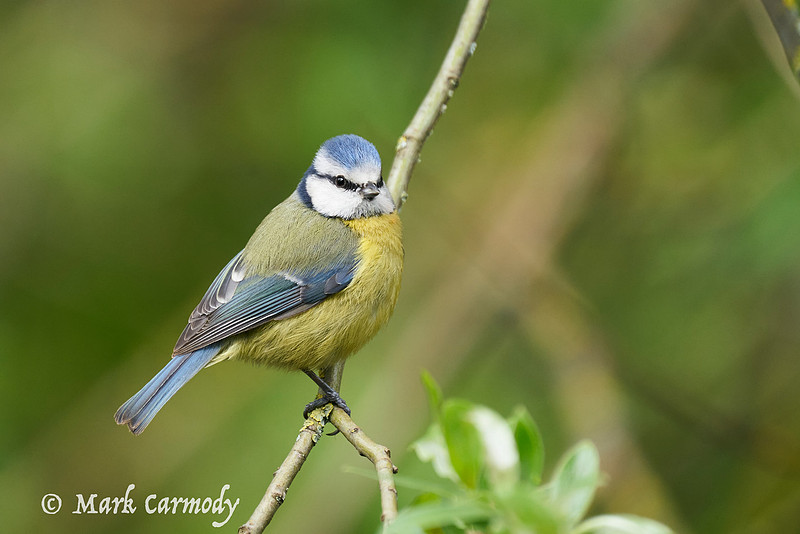
Blue Tits roam the park in mixed flocks during the winter. They probably breed in the park judging from the amount of fledglings present following breeding season.
The river places an important role in the biodiversity of the park. Being so close to Dublin city centre, it is quite amazing what freshwater birds can be found here. Jewels in the crown are the Kingfisher. They are breeding upriver towards Finglas, not far beyond the National Botanic Garden borders. Usually one would hear its distinctive call and a flash of azure would whizz by. However, up to 3 Kingfishers were regularly seen along the river in the park during the winter of 2024/ They would perch no more than 20 metres away, diving and catching minnows in the shallows and shadows of the tree-lined river bank.
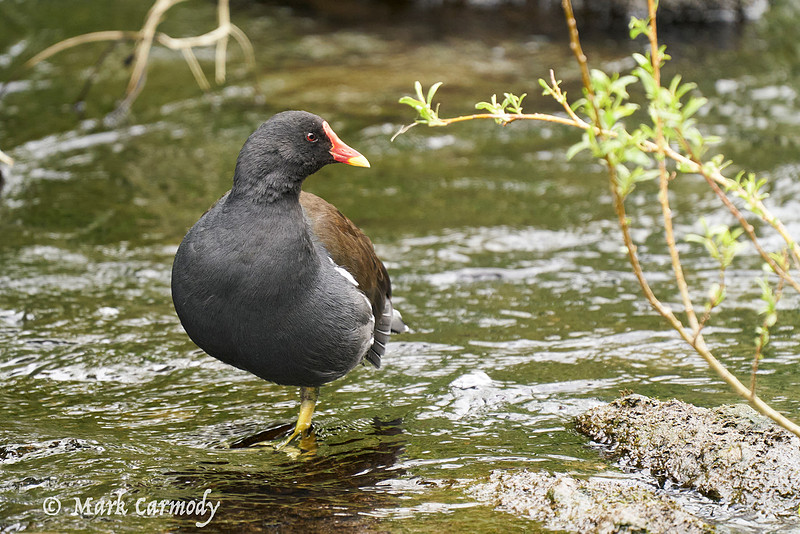
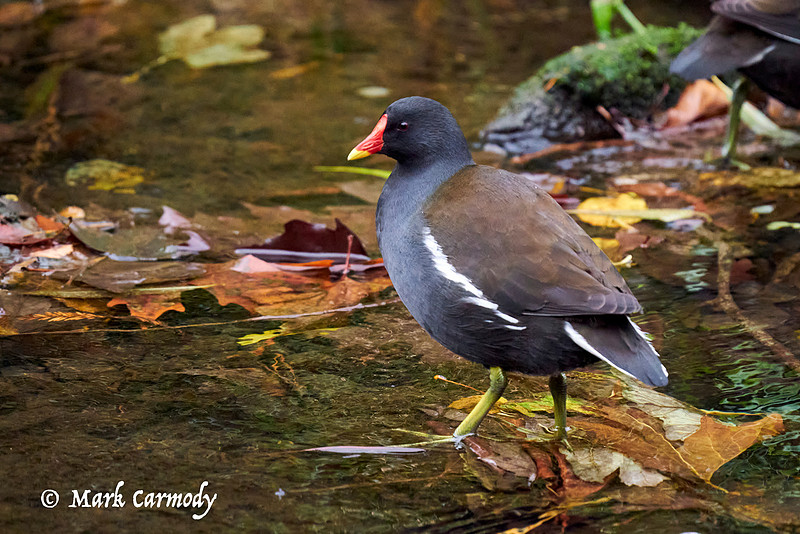
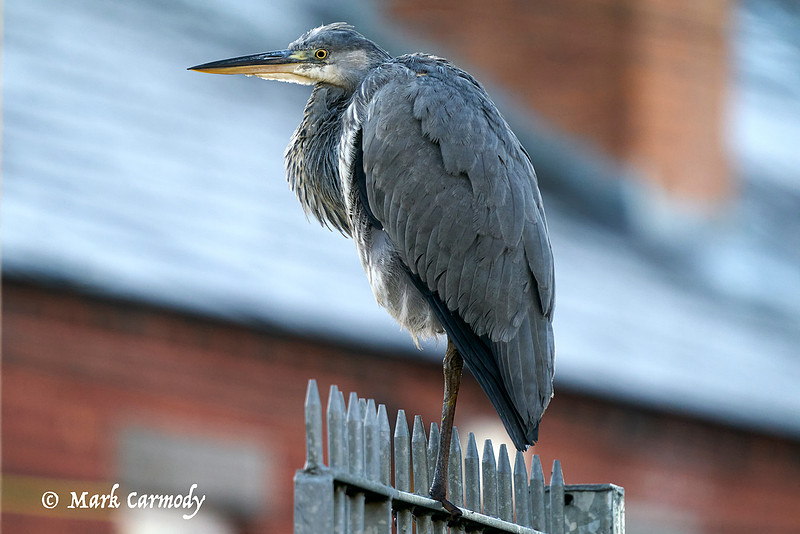
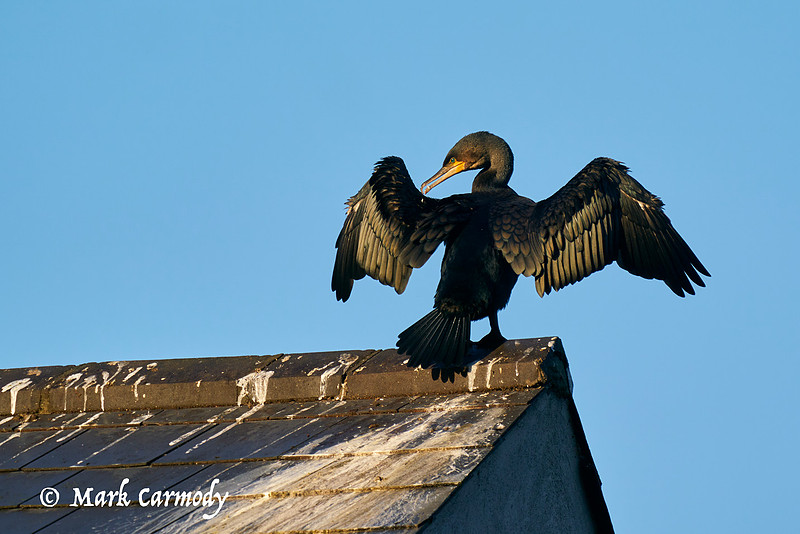
Kingfisher on a nice perch over the Tolka River. We are fortunate to have this Amber-listed breeding species using the river. Other water birds include Moorhen, Mallard, Mute Swan, Grey Heron, Cormorant, Herring Gull, Lesser Black-backed Gull, Black-headed Gull, and the scarcer Little Egret and Dipper. A Great Cormorant stretching its wings on the apex of a house bordering the park. They are frequent hunters in the river.
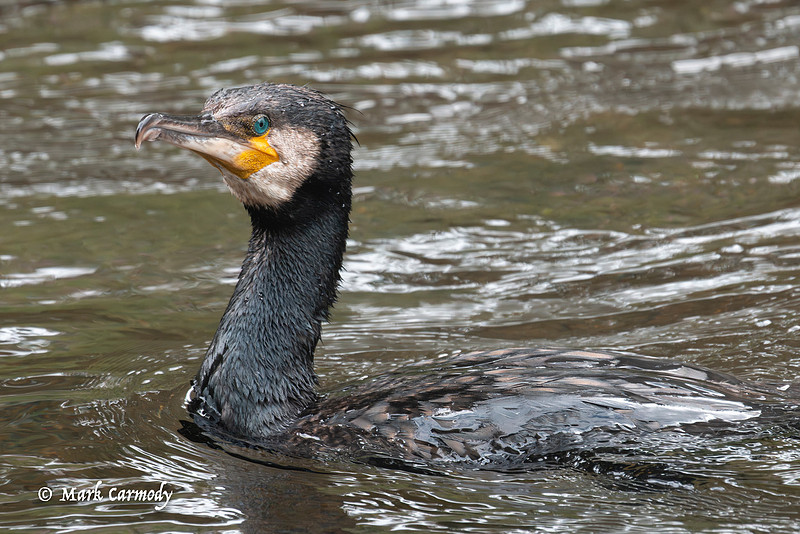
A Great Cormorant fishing in the Tolka River.
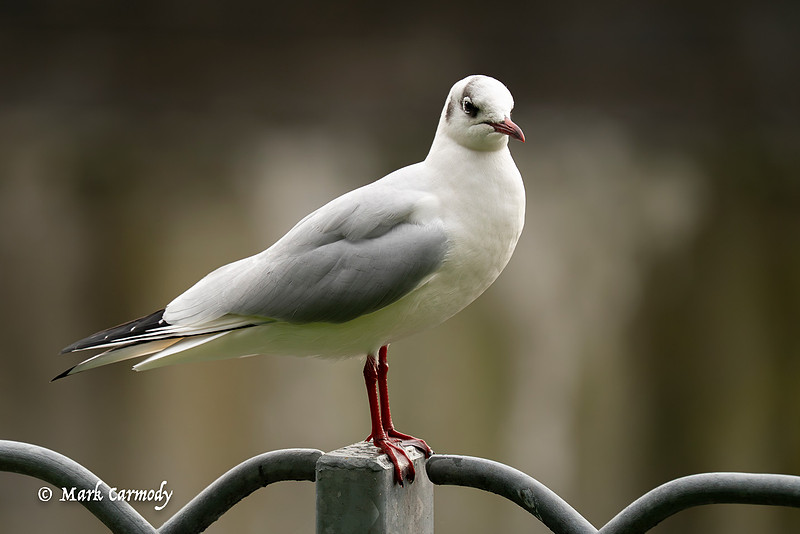
A Black-headed Gull in winter garb. They disappear from April to August, dispersing to the midland lakes of Ireland, the UK and Eastern Europe to breed.
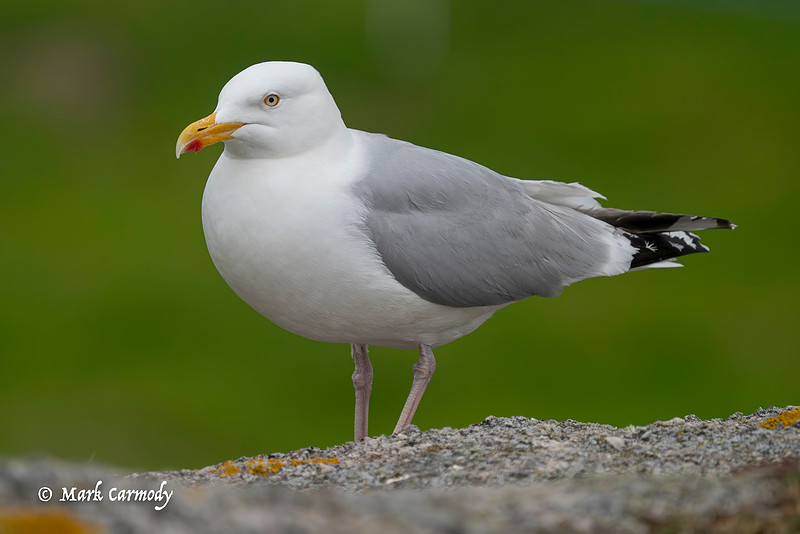
The much maligned but stunning Herring Gull. Almost extinct as a breeding species herein the 1980s due to Botulsim, they have made a great recovery and have adapted well to living within cities and their suburbs.
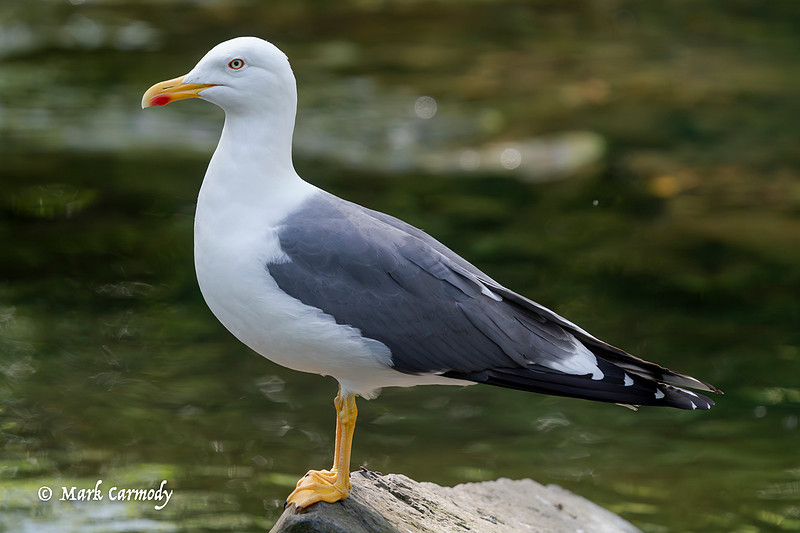
The stunning Lesser Black-backed Gull arrives here around St. Patrick's Day/weekend to set up shop to breed. They leave again in August and spend the winter off the Spanish and North African coasts.
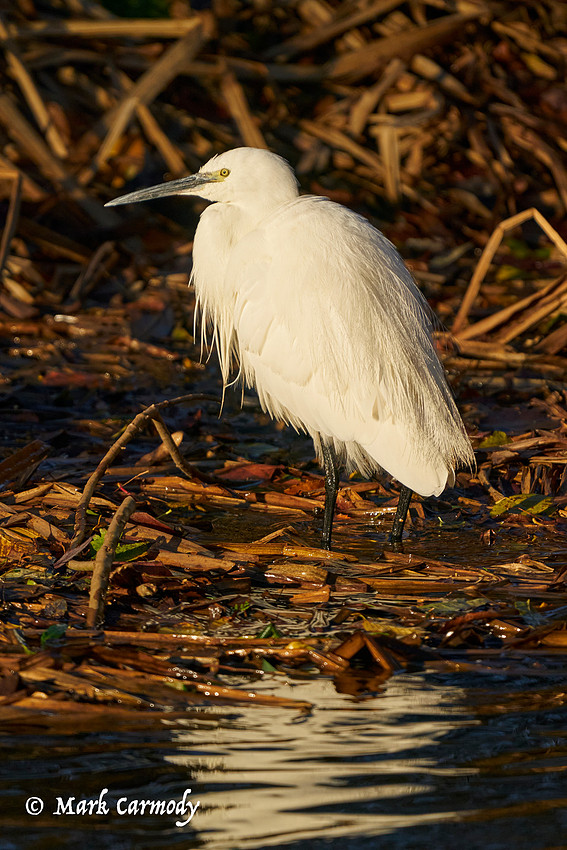
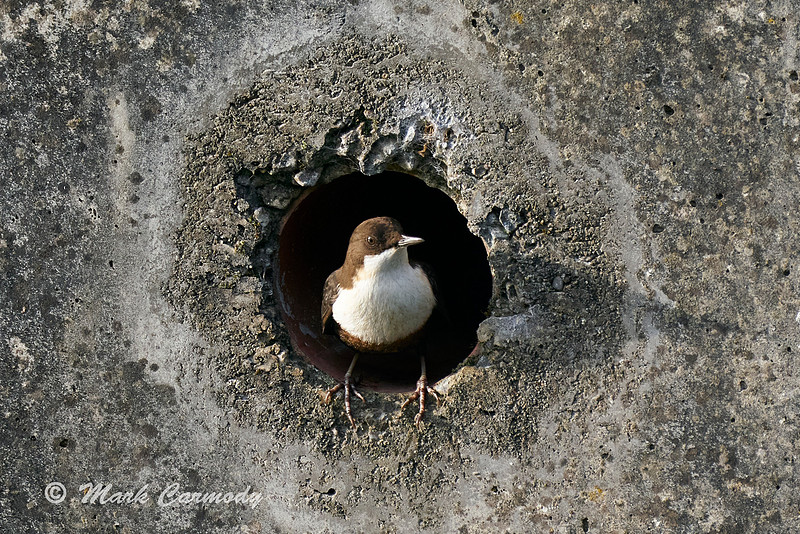
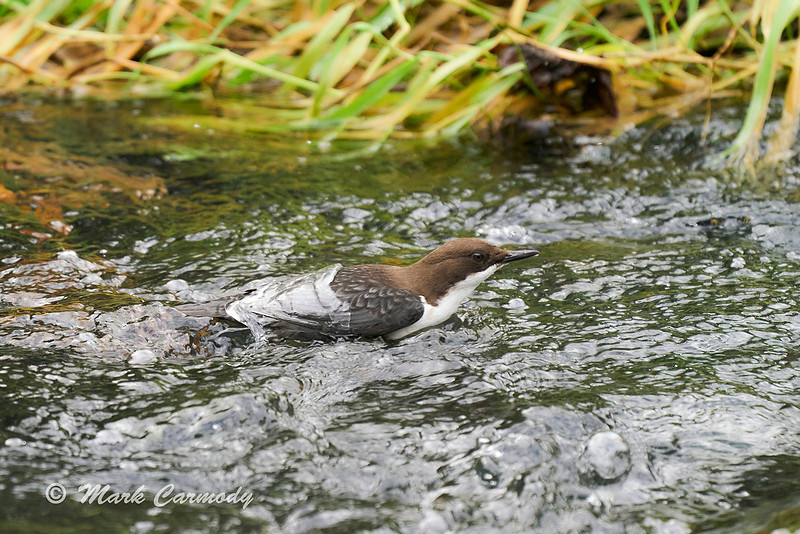
There are also Little Egret fishing the river, with up to 4 the most I have seen at any one time. Usually it is one or two birds. They sometimes perch on top of the Willow Trees. They first started breeding in Ireland in the 1990s. An adult Dipper sitting in the drainage pipe of one of the concrete support walls along the river bank.
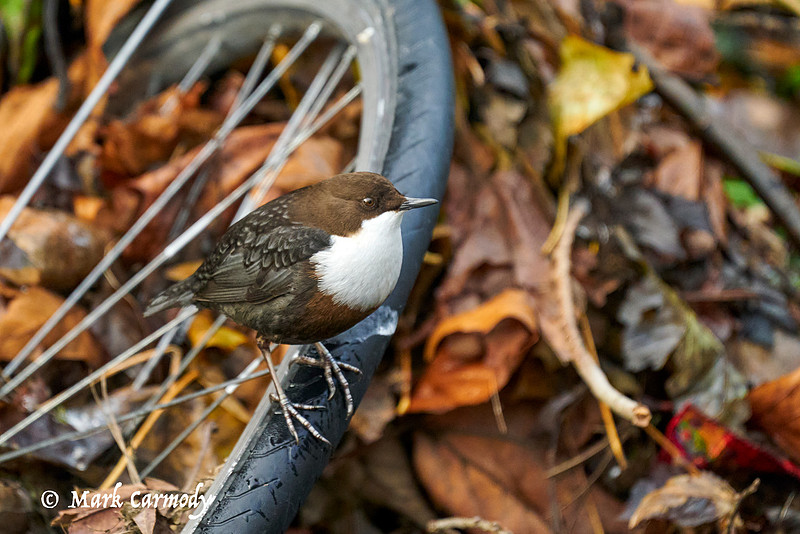
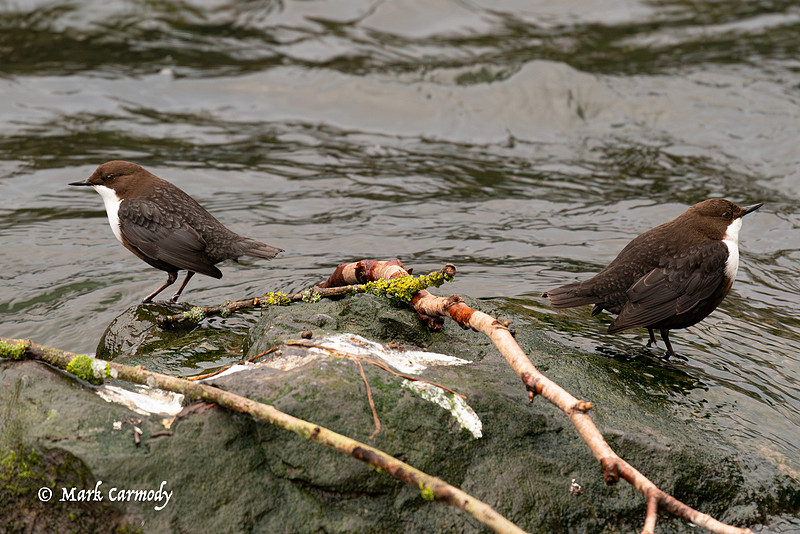
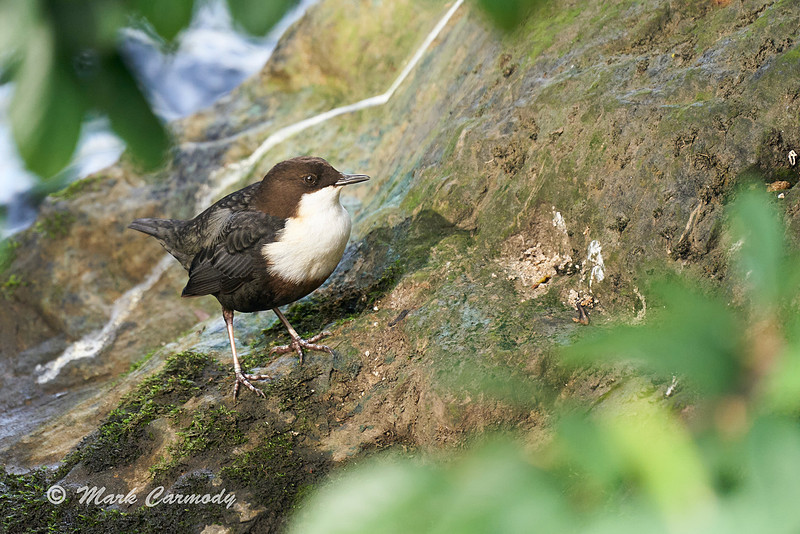
We are very fortunate that a pair of Dipper have taken up residence along the river in the park. Their song can be heard from December onwards. Although they are freshwater birds, they are also a passerine (includes over half of all living birds and consists chiefly of altricial songbirds that also perch). I have yet to see any juveniles from this courting pair. I am not sure there is enough habitat for them to build their nest. It would be so good if the DCC built an artificial nest for them under one of the bridges in the park (more than likely the Dean Swift Bridge). If regulars of the park would like to lend their voice to this initiative, it would be great. The piping that was inserted into the reinforced concrete walls along the river is being used by Sand Martins as nesting burrows. Up to 12-14 pairs of Sand Martin use the pipes every year. They arrive around St. Patrick's Day and depart in early September. They are the first of the swallows and martins to arrive in Ireland every Spring. They are the first hargingers of warmer weather to arrive in the park.
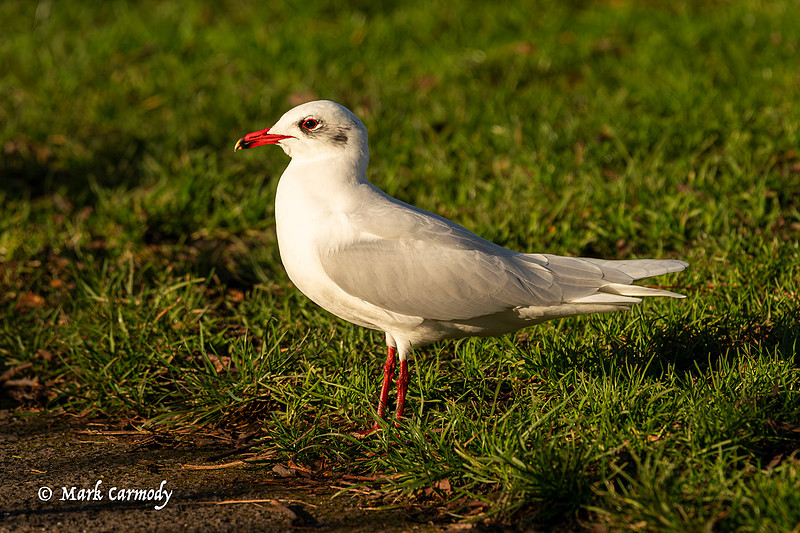
There are some unusual gull visitors to the park every now and then, such as the stunning Mediterranean Gull pictured above. This is an Amber-listed breeding species in Ireland.
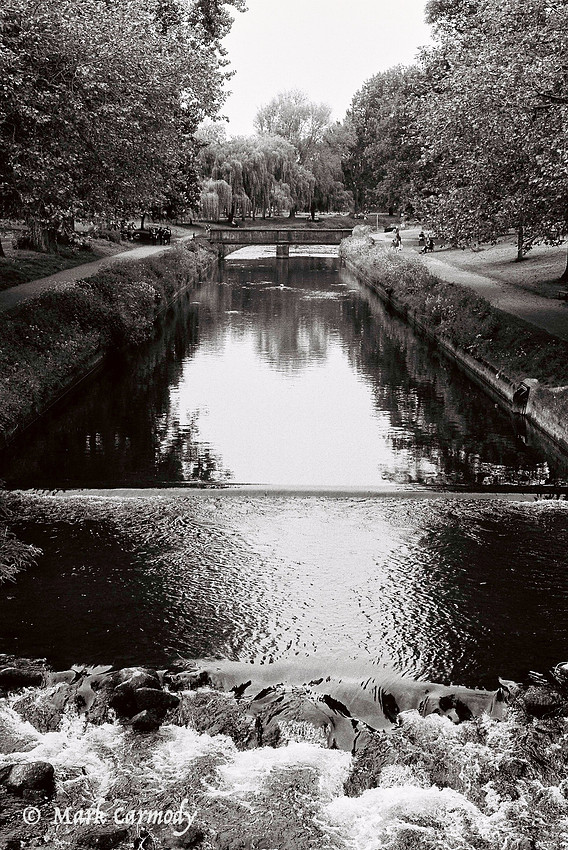
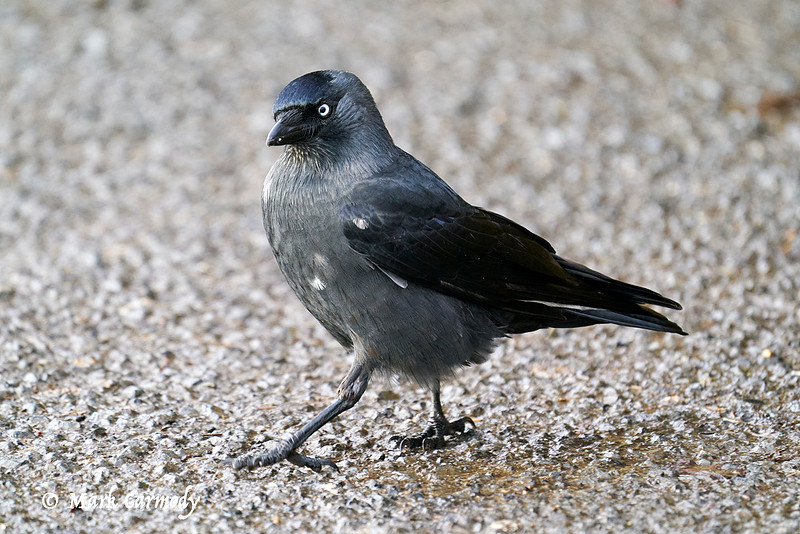
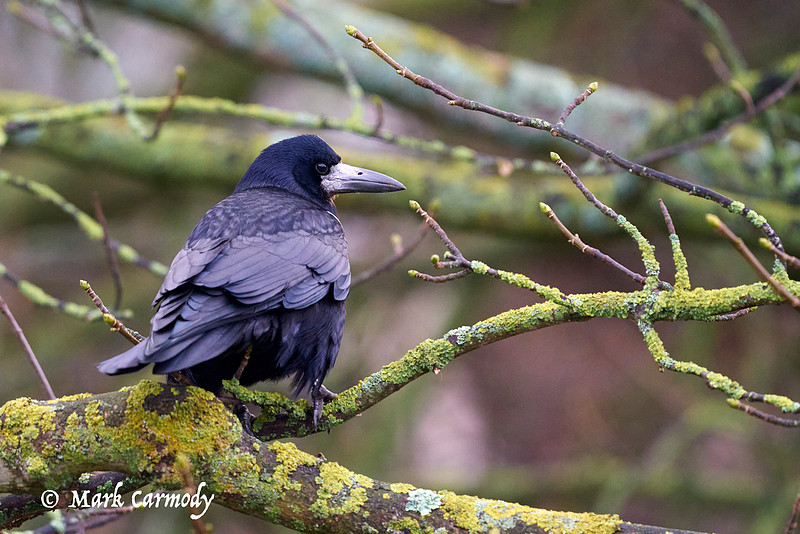
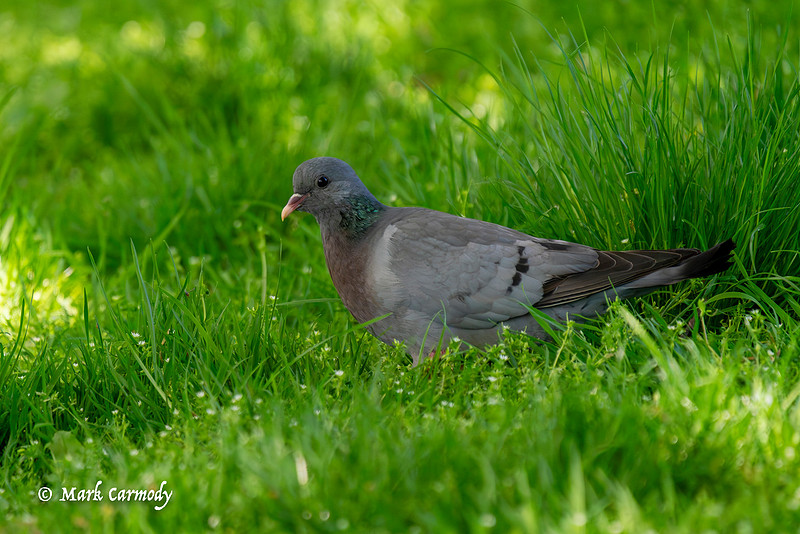
Looking west from the footbridge at the Millmount Avenue end Other passerines that occupy the park range from the common, such as Robin, Dunnock, Rook, and Jackdaw, to the red-listed species such as Stock Dove and Grey Wagtail, to our smallest bird, the Goldcrest. It is hugely important that we ensure that these birds have safe and clean areas for them to feed and raise young.
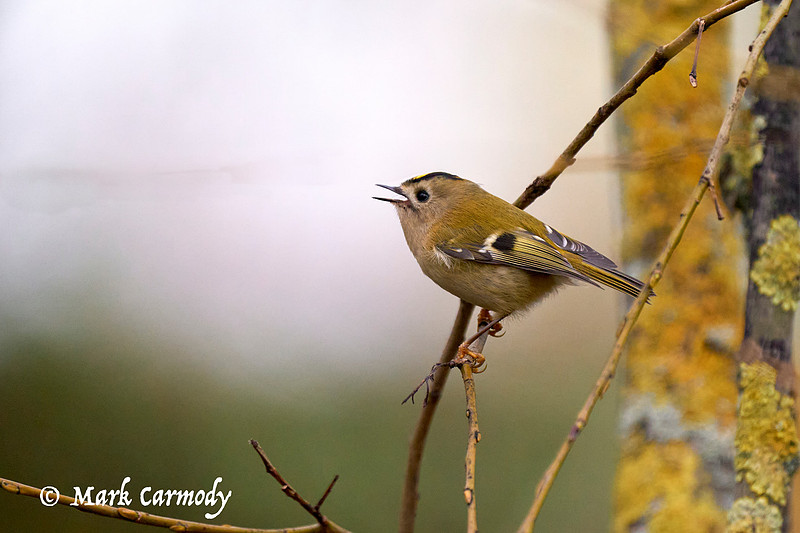
The Goldcrest is Ireland's (and Europe's) smallest bird. They are regular visitors to the park, usually heard from the treetops and scrub. It is an Amber-listed breeding species.
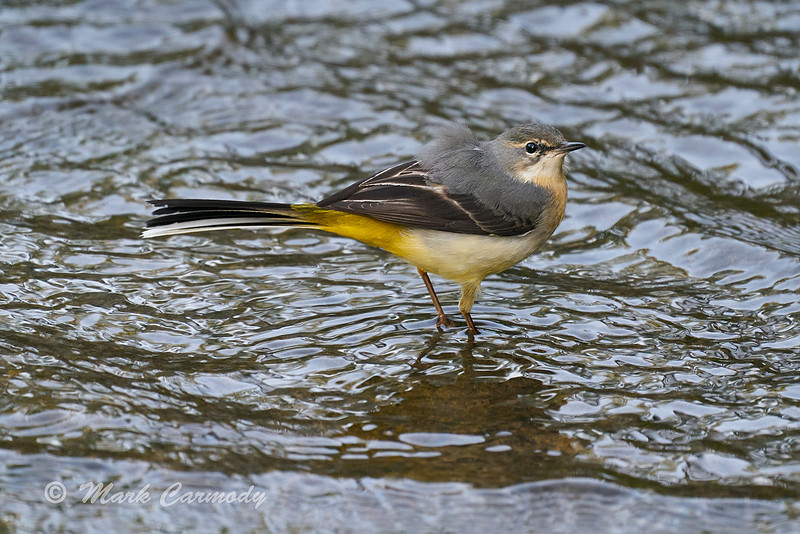
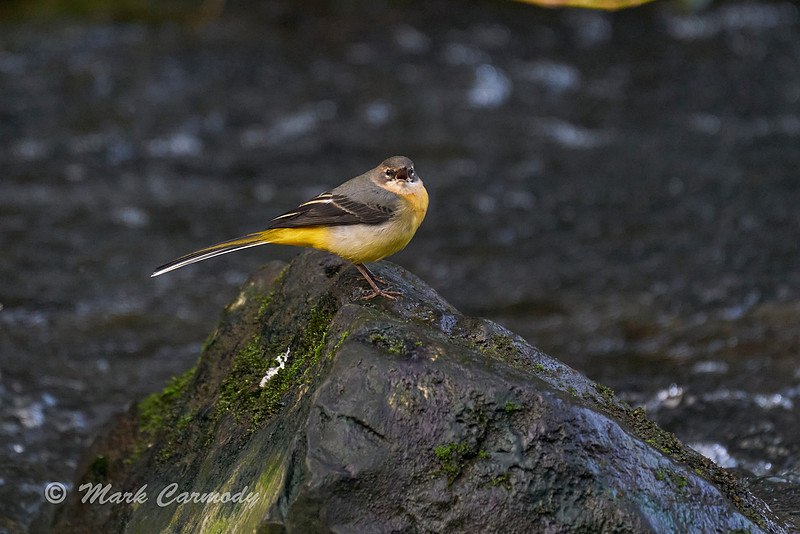
The Grey Wagtail bred on the river this year, rearing 3 fledglings. They have a beautiful song and are always a pleasure to see. Unfortunately, they are now Red-listed as a breeding species in Ireland.
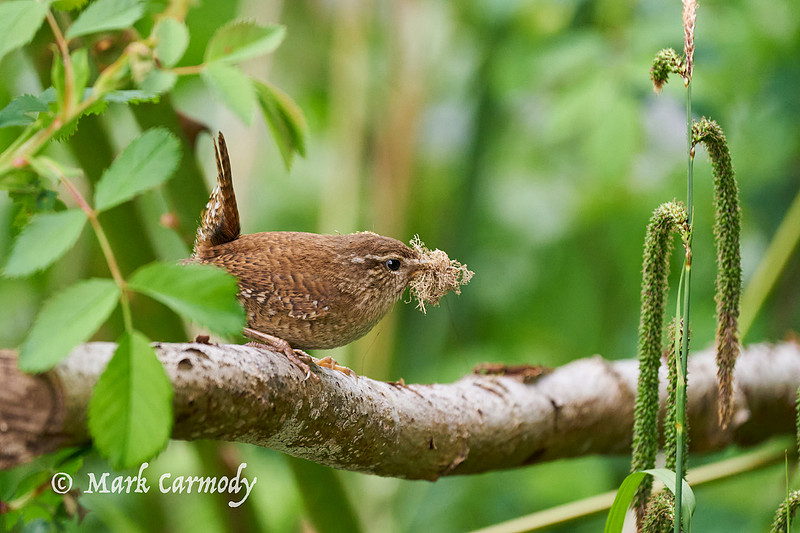
The Wren is Ireland's second smallest, but probably the loudest of all Irish passerines! Their explosive song can be heard throughout the park.
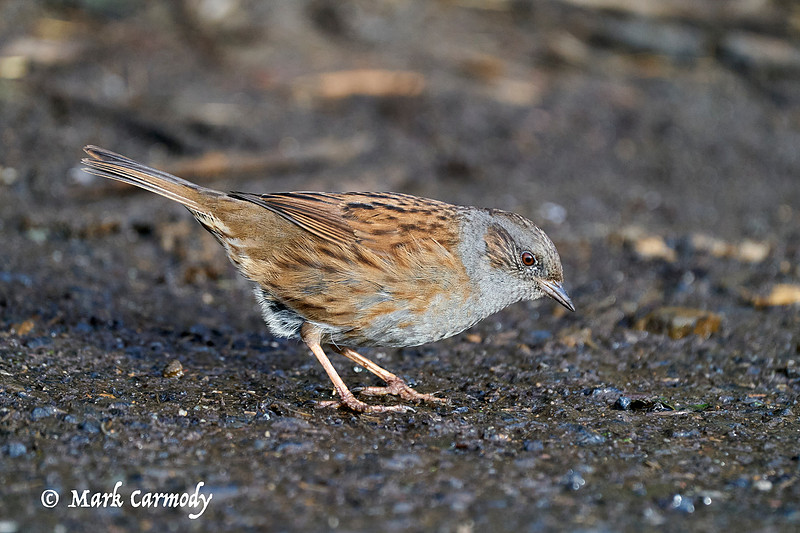
The Dunnock skulks amongst the hedgerows, undergrowth and river bank undergrowth. A very understated yet beautiful bird.
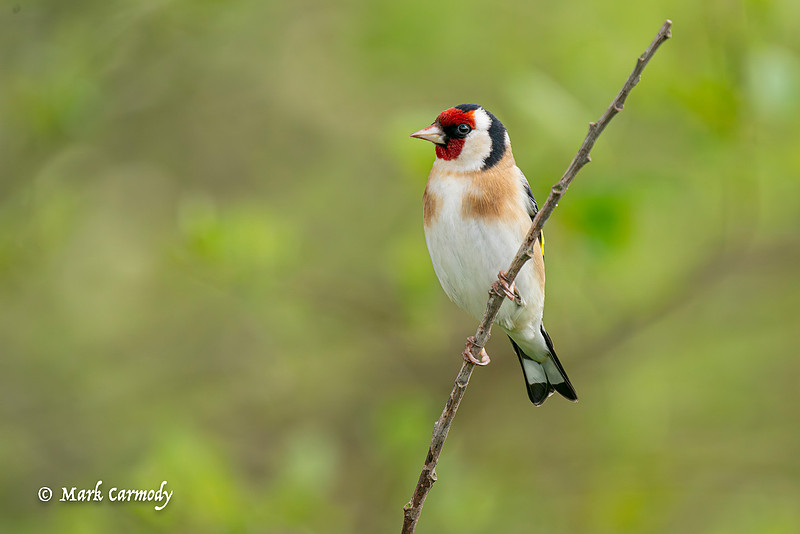
A Goldfinch perched on a twig. One of our more colourful passerines.
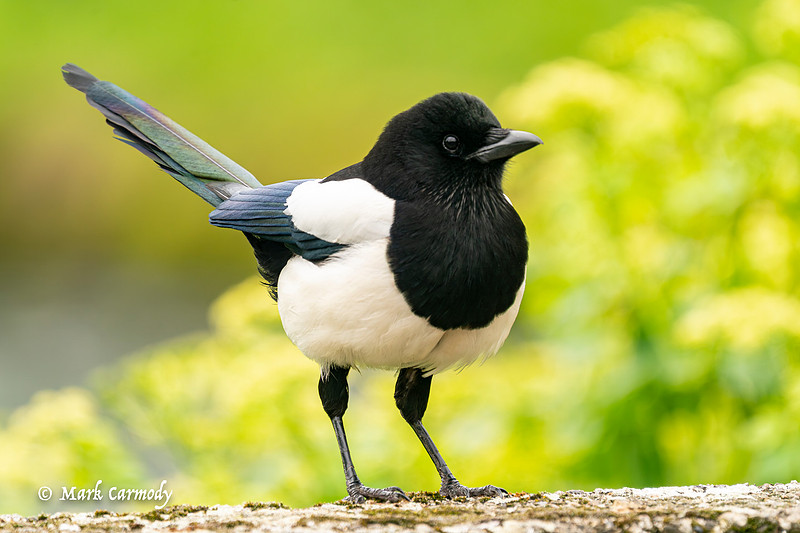
The Magpie is a common bird in the park, and probably seen as a pariah. However, they are a beautiful bird with an important role to play in the ecosystem.
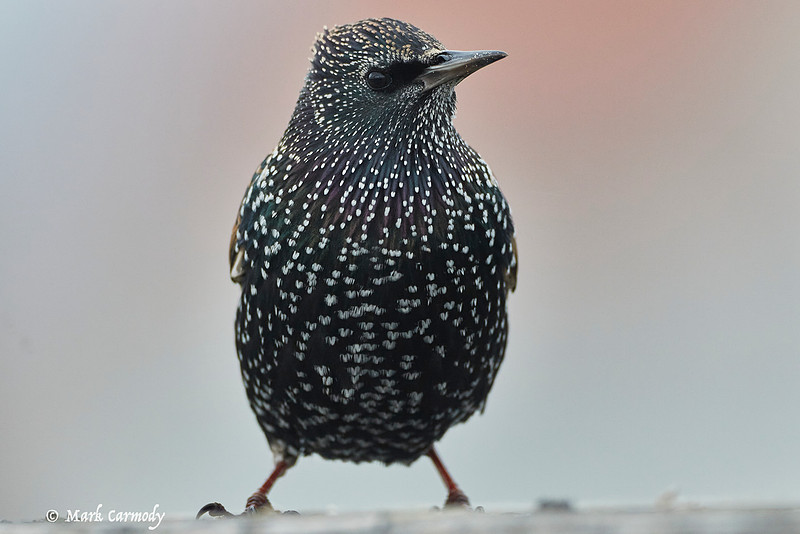
The Starling, another Amber-listed breeding species, has only recently started featuring in the park on a regular basis.
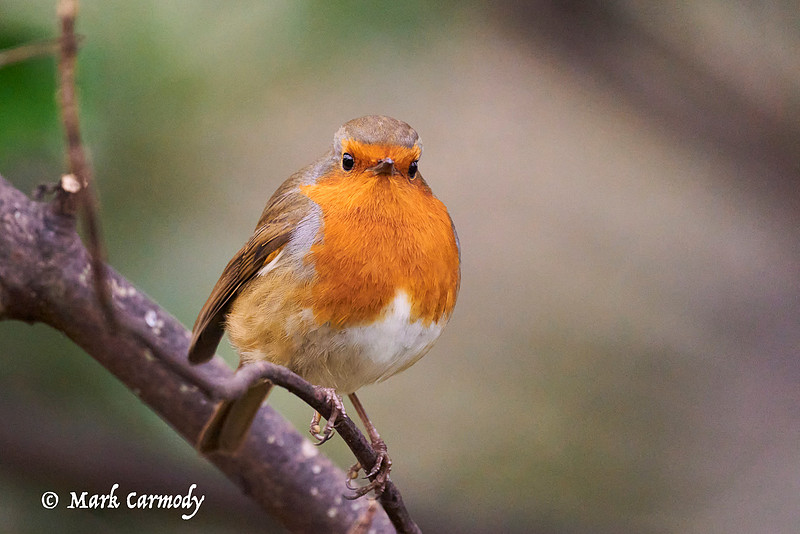
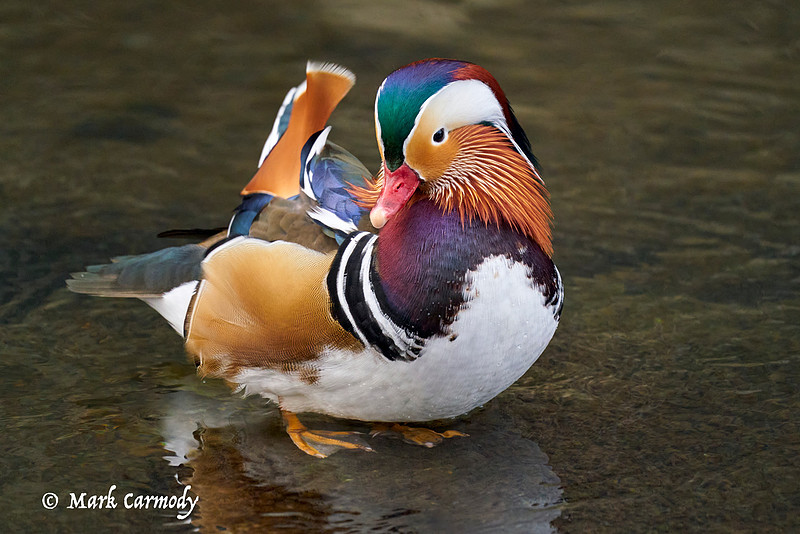
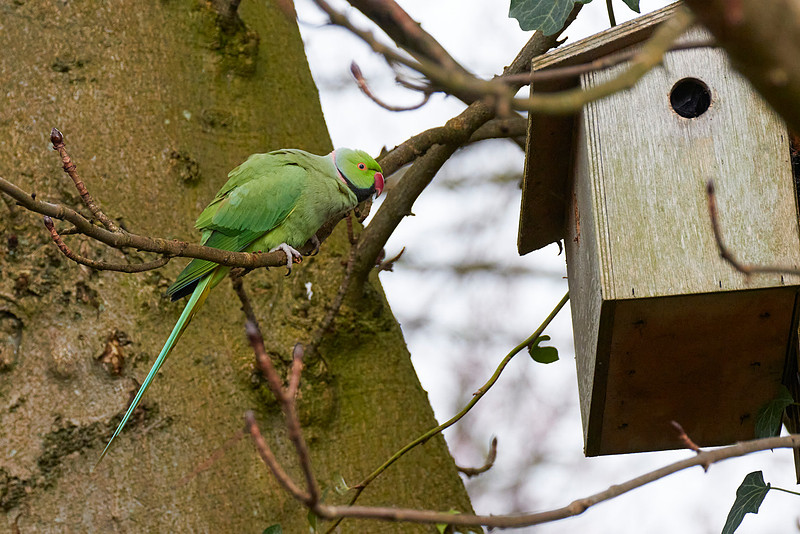
The well-known Robin. Several pairs breed in the park There are also a couple of glamour escapees that occupy the grounds of the park. One is the beautiful Mandarin Duck. A male has been travelling from the National Botanic Gardens to the Tolka River in the park for several years now. In 2025, the male was paired up with a female Mallard. The male Mandarin Duck in all its finery. The other is the Rose-necked Parakeet. There are at least 5 of this species wheeling around the park, making a racket as they call raucously from the trees. Despite their colourful nature, they are quite difficult to see. They have bred close by in the last few years, which is a concern as they can become an invasive pest. It is thought that the current population in Dublin (at least) stems from pairs escaping from an aviary that was damaged in a winter storm several years ago. They have exploded in numbers in London and are becoming well-established in Belfast as well. The NPWS would do well to capture the birds and rehome them before they take hold.
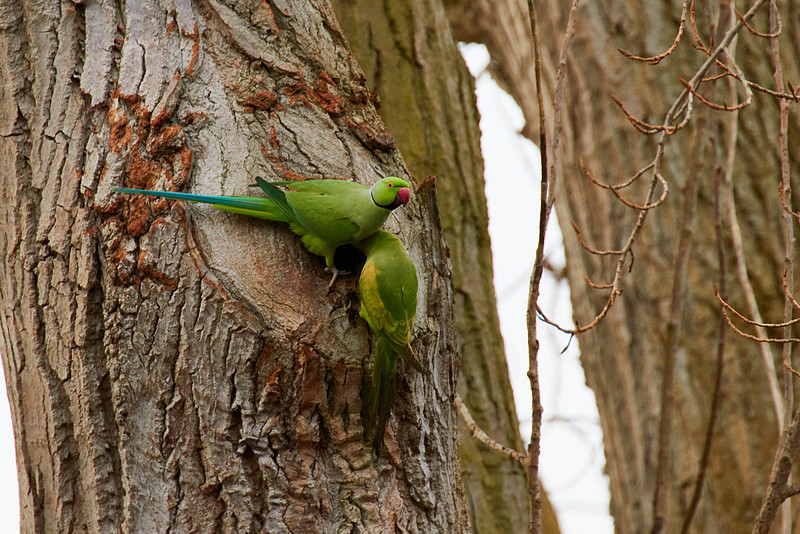
Rose-ringed Parakeets inspect a hole in a tree in the park for a potential nest site. Griffith Park has a lot of potential to be more biodiverse. If Dublin City Council and Dublin Parks could look more to what they could do with some of the space that goes unused, we could bring in more wildlife. The water quality needs to be improved, and they are finally acting on the constant pollution entering the river near the Church. I hope that they could build a Dipper nesting box under the Dean Swift bridge, and even install bat boxes in the park and under the bridges to help Daubenton's and Leisler's bats that are present. This would add to the park immeasurably. Installing the fencing along the old bathing area, despite the protests about it, has increased the presence of Mallard and the Mute Swans, although the swans no longer have a route of the river to bring their cygnets out to graze on the grass. Much to be done.
A winter's dawn in the park.
Keywords:
Birdwatch Ireland,
Carmody,
Dublin,
Griffith Park,
Ireland,
Jim Wilson,
Mark Carmody,
patch,
patch birding,
patch year list,
Photography,
Sony,
urban,
Urban Birds

Comments
No comments posted.
Loading...
|