Great South Wall, Dublin Bay.
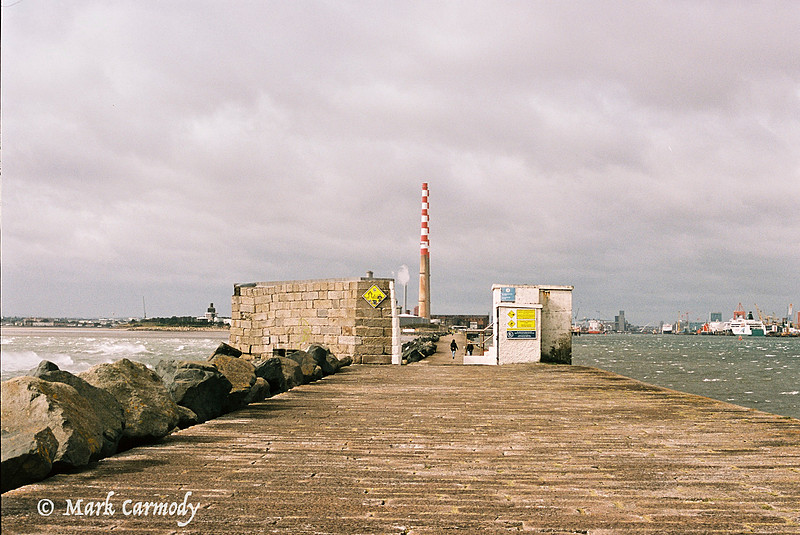
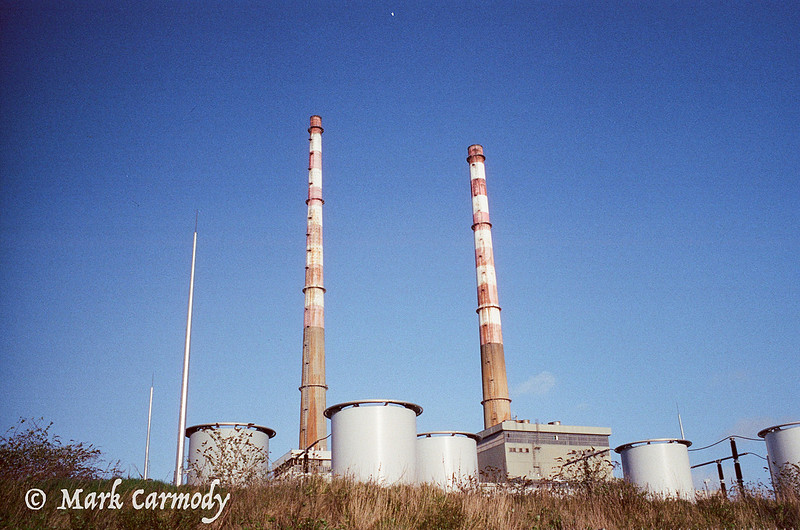
The Poolbeg "peninsula" is home to a number of landmarks, including the Great South Wall, the Poolbeg Lighthouse, the Irishtown Nature Park, the southern part of Dublin Port, an energy-waste facility, and a power station, formerly Dublin's main power station, which includes the two landmark chimneys, Dublin’s tallest structures.
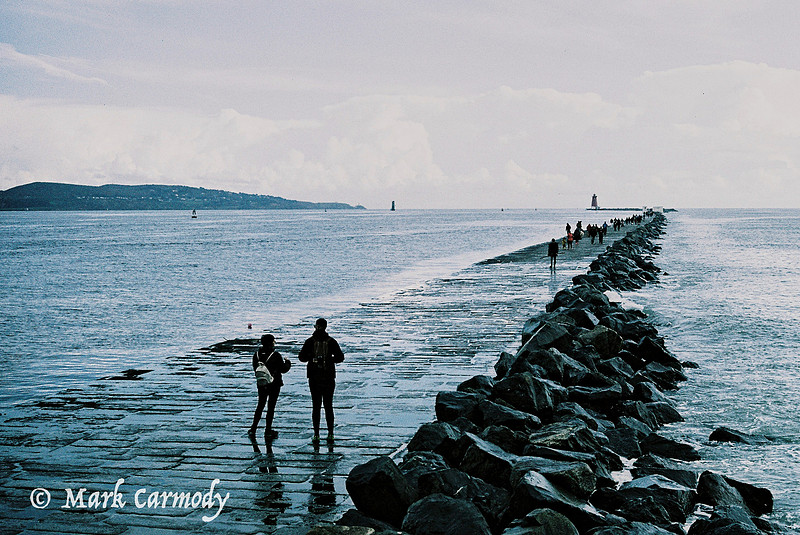
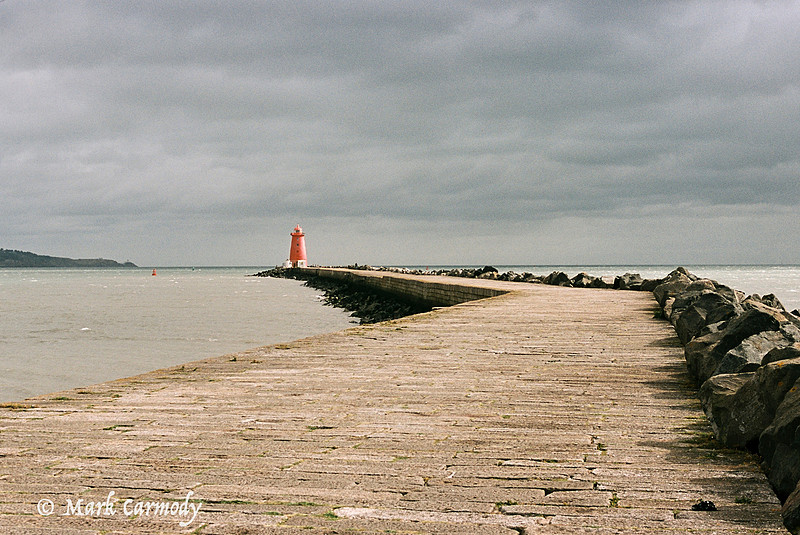
The Great South Wall extending out into Dublin Bay, with the Poolbeg Lighthouse at the end. The Poolbeg peninsula was built between the mid-18th century and the present day, starting with the Ballast Office Wall, the first section of the Great South Wall to be built on what was then a sandbar known as the South Bull. As the various sections of the Great South Wall were built, further sandbars formed where the River Liffey left its silt, and these were gradually filled with rubble and built upon.
The Poolbeg Chimneys in all their glory. They recently got a fresh paint job. A tidal pool located out in Dublin Harbour and surrounded by sandbars was where the Poolbeg Lighthouse was built in 1767. The lighthouse was connected to land by the Great South Wall, which was completed in 1795. The Great South Wall, or Balla an Bhulla Theas, extends out from Poolbeg for nearly 4km into Dublin Bay in a west-to-east direction. It creates the channel into Dublin Port, with the newer Bull Wall to the north of it. It was the world's longest sea wall at the time of its construction and remains one of the longest in Europe. It has one of four port lighthouses at its end. It is an important buffer for Dublin Port, where the Wall protects shipping entering and exiting the Port.
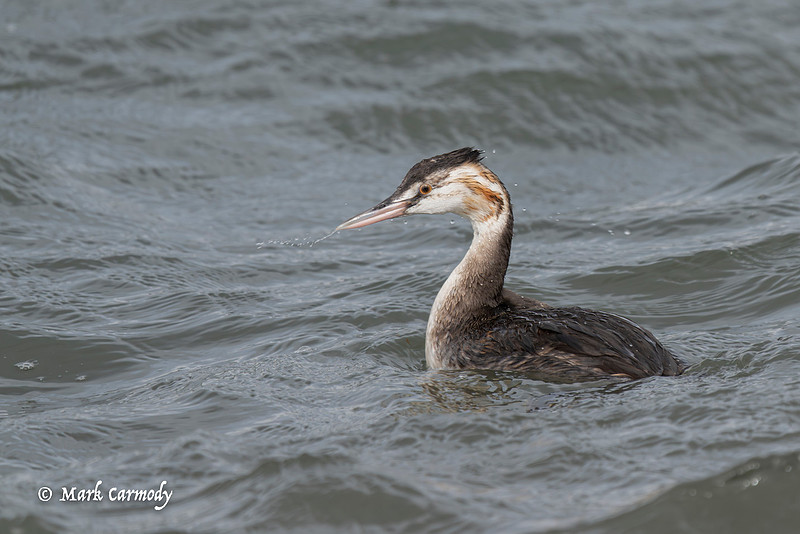
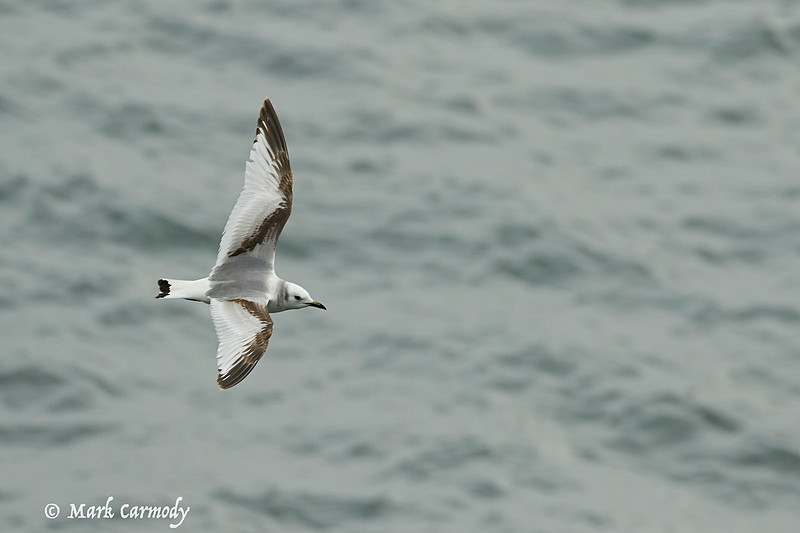
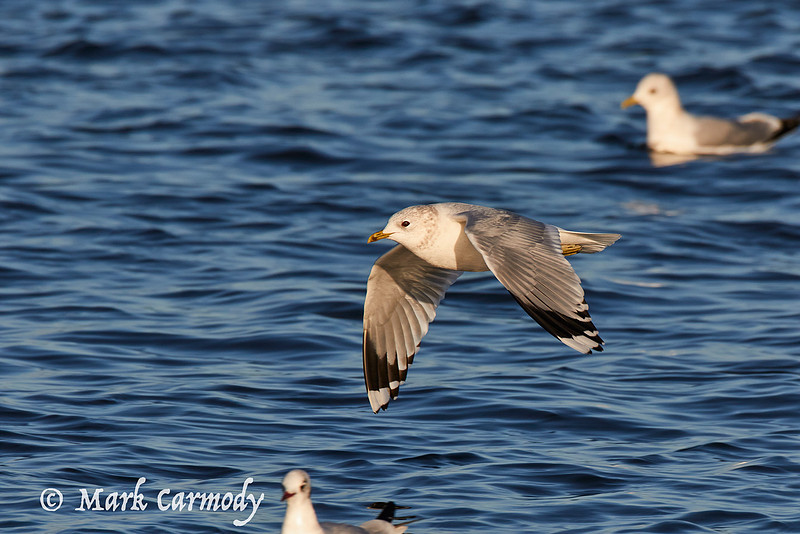
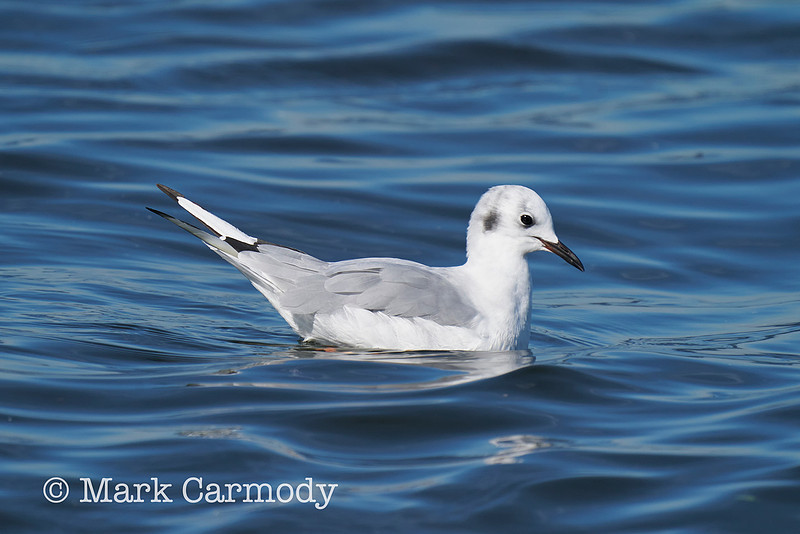
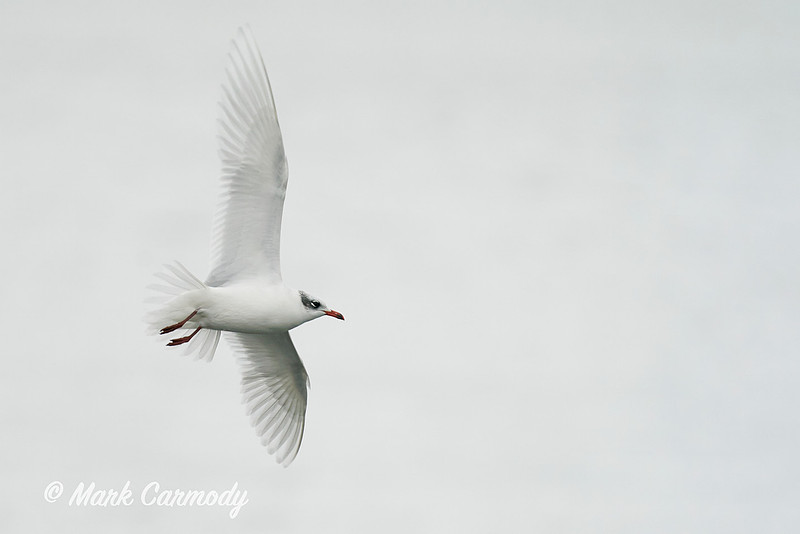
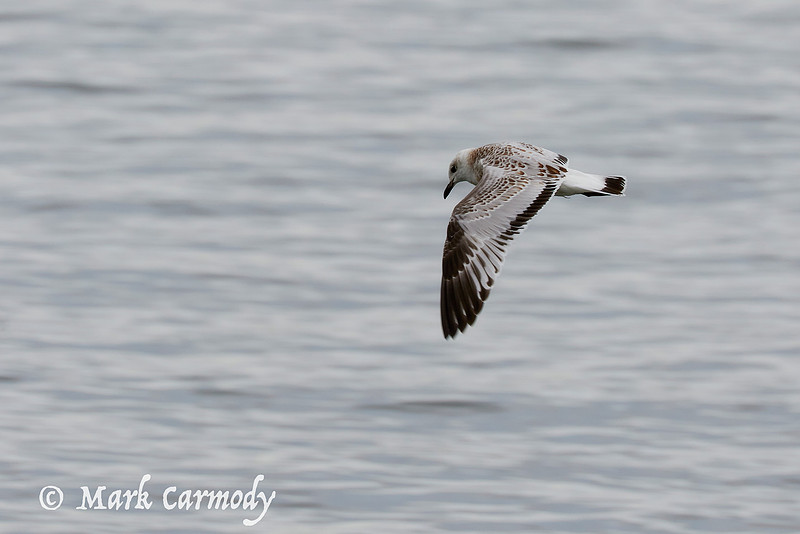
The Great South Wall also created habitat for diving birds in Dublin Bay and Dublin Port. The shelter provided from the prevailing wind, and the wave defences, provide roosting areas for waders at high tide and feeding areas for diving species. Winter is the best time of year to observe the largest variety of species of waders and seabirds, while the summer months provide a feast of breeding terns that use a couple of pontoons in Dublin Port as breeding platforms. Great Crested Grebe in winter plumage. Great Crested Grebes congregate in good numbers in Dublin Bay during the winter, with a variety of plumages on show from Autumn right through to Spring ranging from juveniles to adults in breeding plumage. Gulls and Terns use the bay all year round, with terns turning up in March and leaving in the autumn. Gulls are always present, with numbers of particular species waxing and waning through the seasons. Gulls seen regularly during the year include Common Gull, Lesser Black-backed Gull, Great Black-backed Gull, Black-headed Gull, Kittiwake, Mediterranean Gull, and Herring Gull. Rare and Scarce gulls include Ross's Gull, Bonaparte's Gull, Glaucous Gull, Iceland Gull, Sabine's Gull, and Ring-billed Gull.
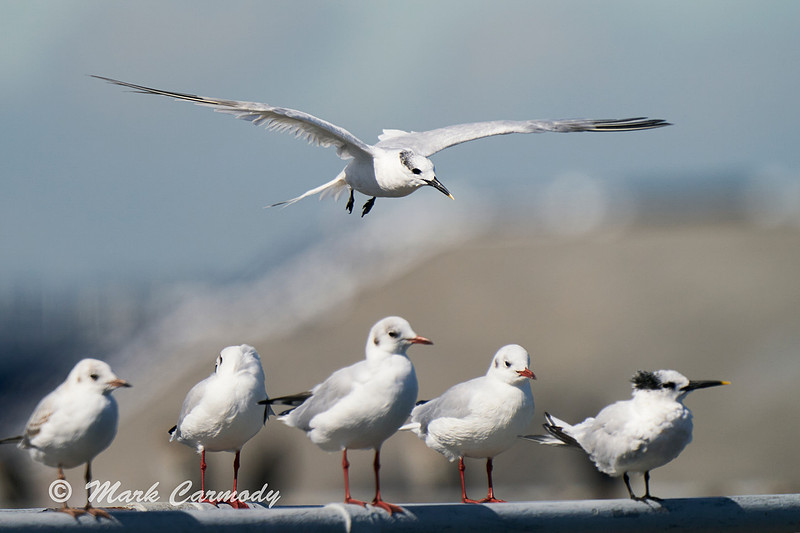
A Sandwich Tern hovers over four Black-headed Gulls, with another Sandwich Tern perched to their right. The gulls and terns in the Bay use the railings at the sewage treatment plant at Poolbeg to roost.
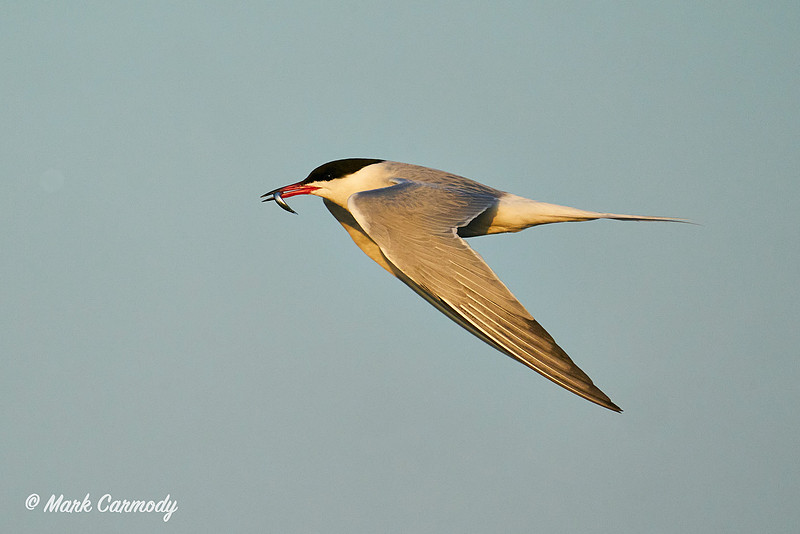
A Common Tern carrying food to it's young on the pontoons in Dublin Port.
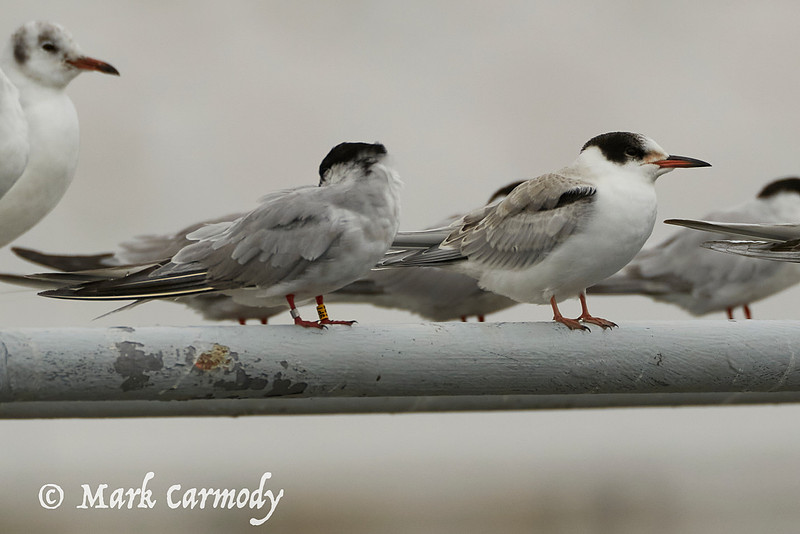
Adult and juvenile Common Terns resting on the railings at the base of the Great South Wall. A good place to scan for perched gulls and terns.
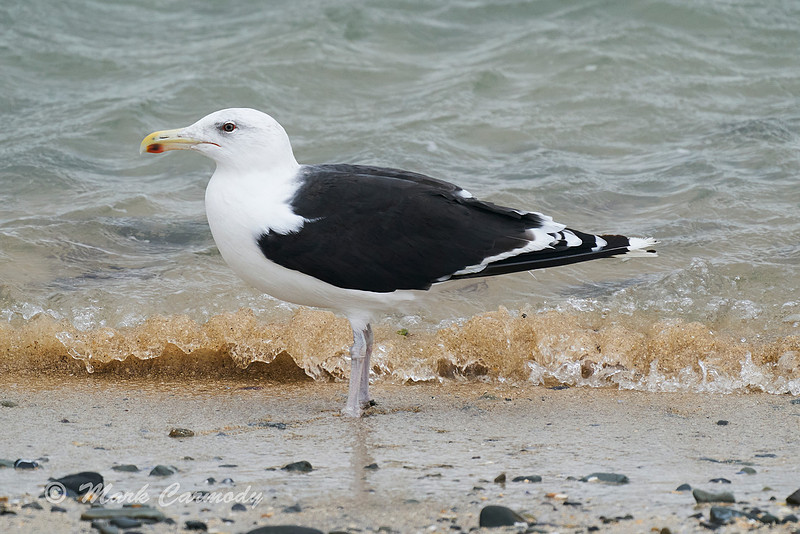
An adult Great Black-backed Gull on the shoreline at Shelly Beach.
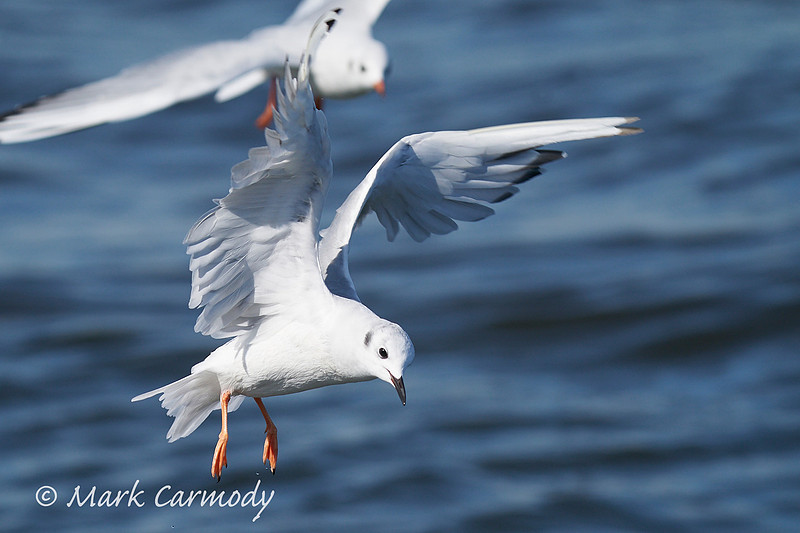
Bonaparte's Gull in winter plumage.
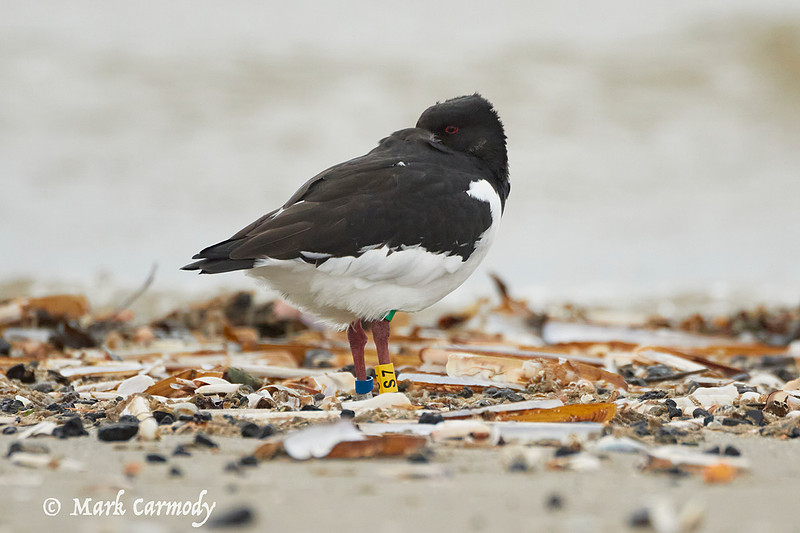
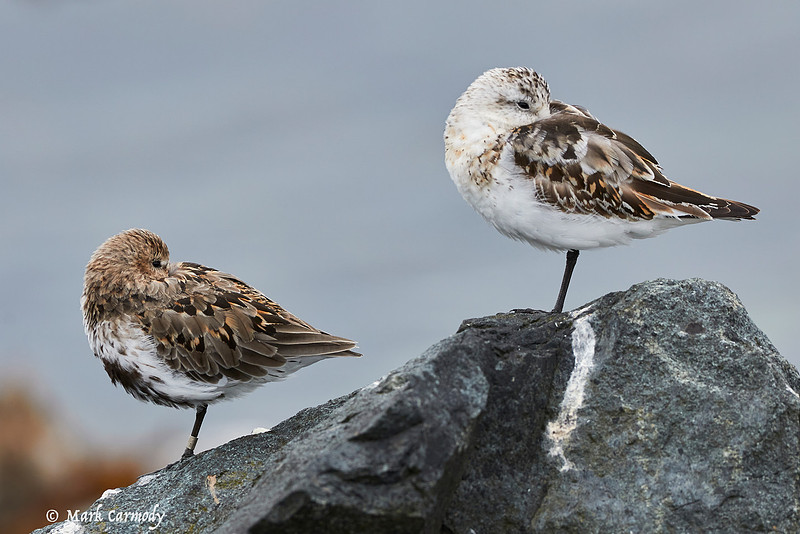
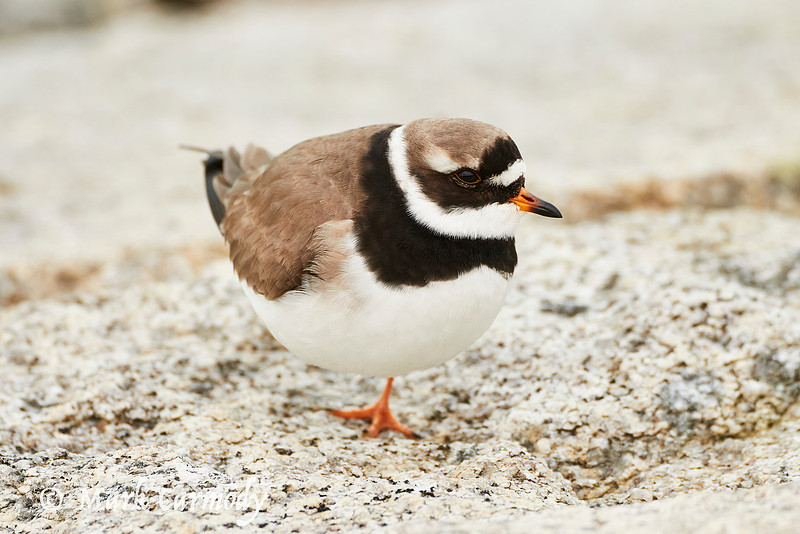
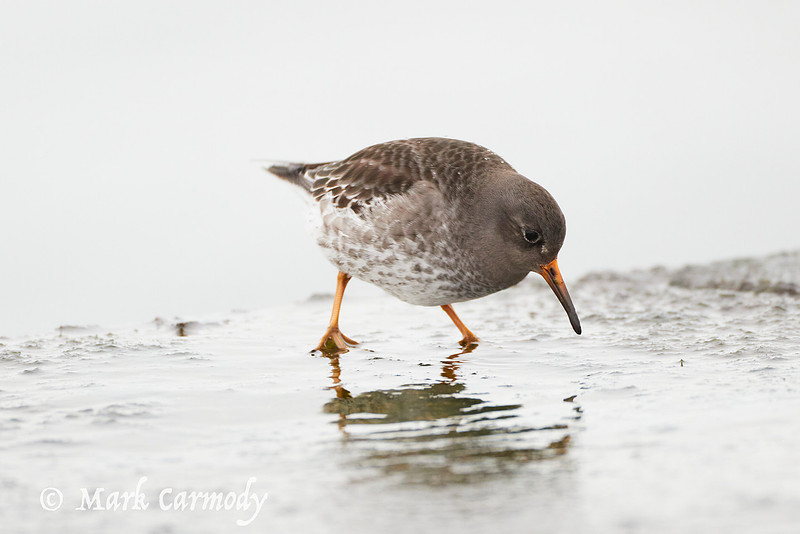
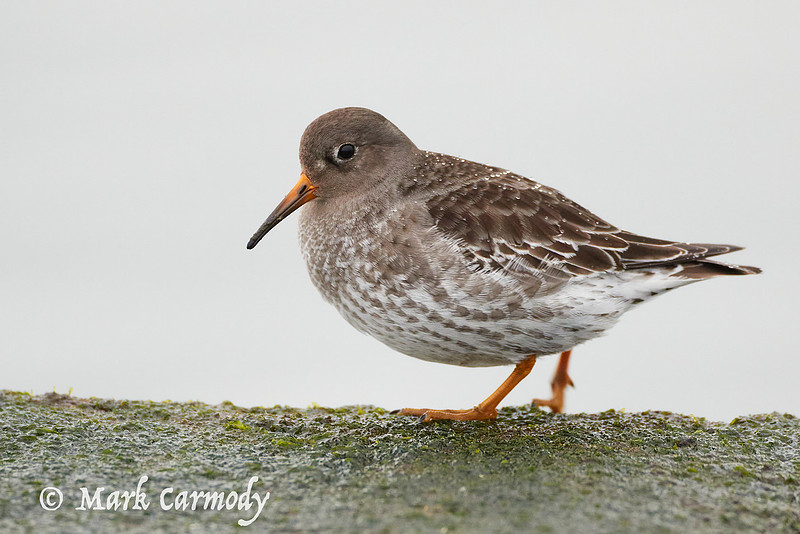
Waders use the area at low tide to feed on the mudflats to the south of the Great South Wall, and also inside the waste treatment plant outflow where mud is exposed. At high tide, smaller waders such as Dunlin, Sanderling, Ringed Plover, and Purple Sandpiper can be found roosting on the rock armour that protects the wall from the power of the sea. It is possible to get very close views of these roosting waders if one is slow and careful. They are well used to walkers, runners, and fisherfolk using the wall on a daily basis. Colour-ringed Sanderling are regularly seen among the flock. A morning high tide is best as the sun will be from the right direction for photography.
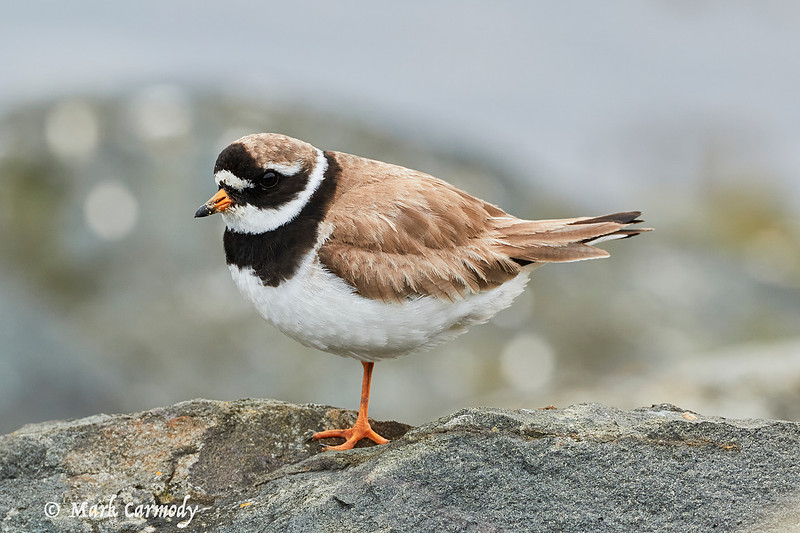
A winter-plumaged Common Ringed Plover roosting on the rock armour
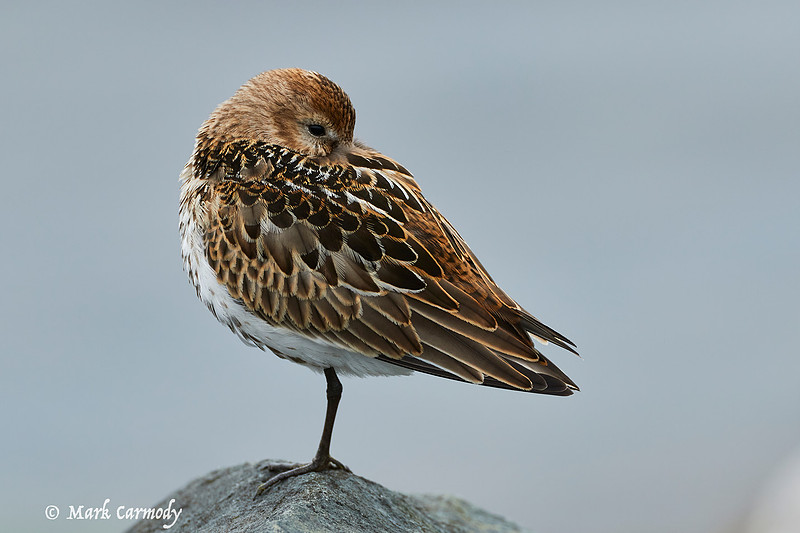
A winter-plumaged Dunlin (left) and a winter-plumaged Sanderling (right) roosting on the rock armour. The Dunlin has a metal ring on its left leg. A winter-plumaged Ringed-Plover roosting on the rock armour A winter-plumaged Purple Sandpiper feeding on the Great South Wall at high tide The stunning Purple Sandpiper on the Great South Wall
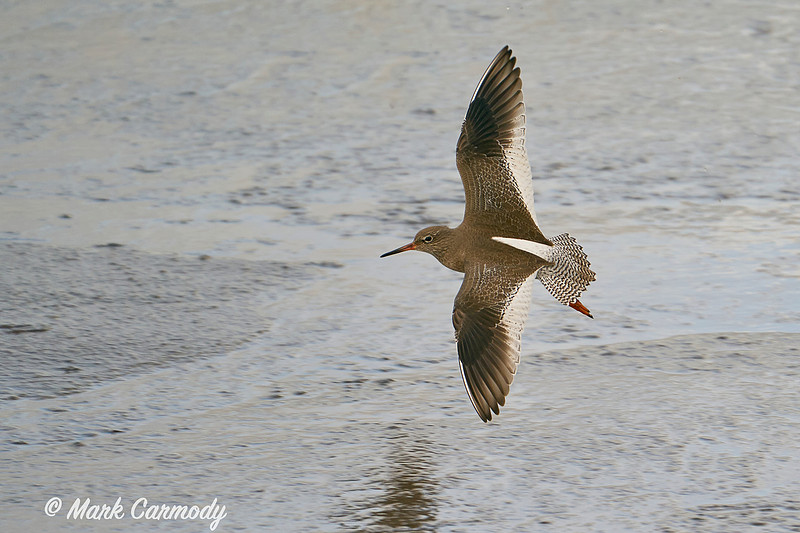
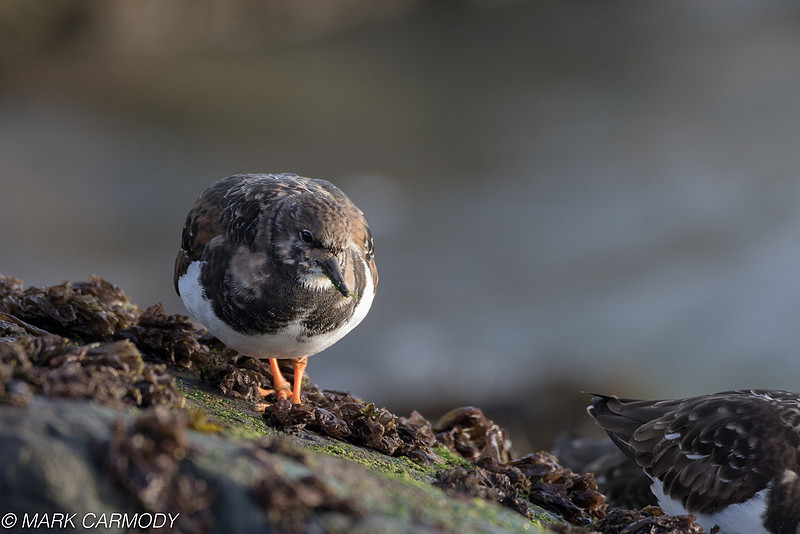
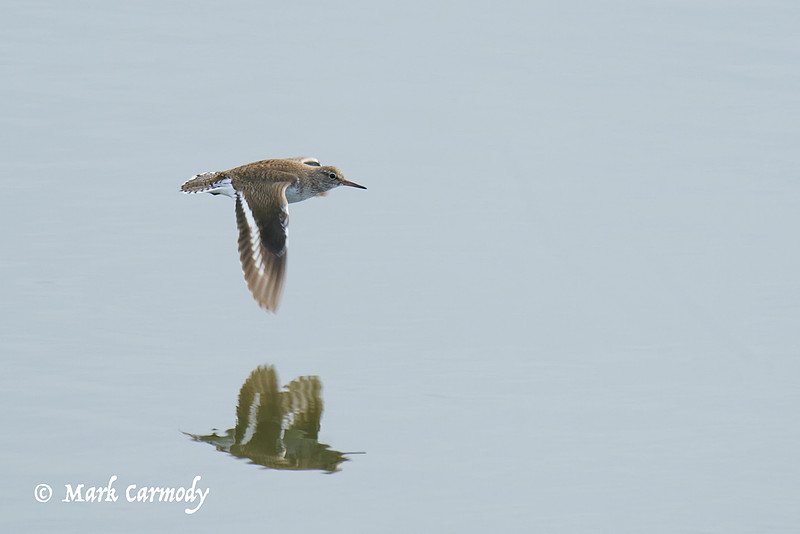
Turnstones feed all along the shoreline and sea protections. Common Sandpiper in flight across the Bay. While several can be seen on Spring passage heading north, one or two stay in the area for the Winter.
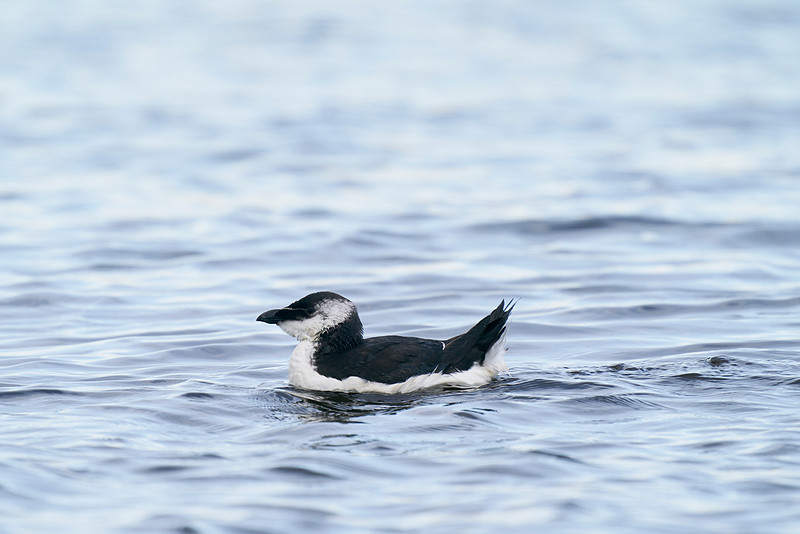
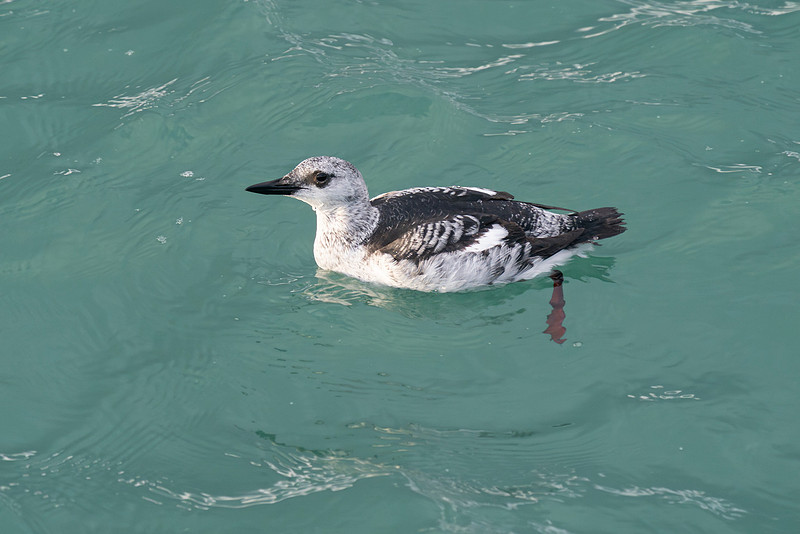
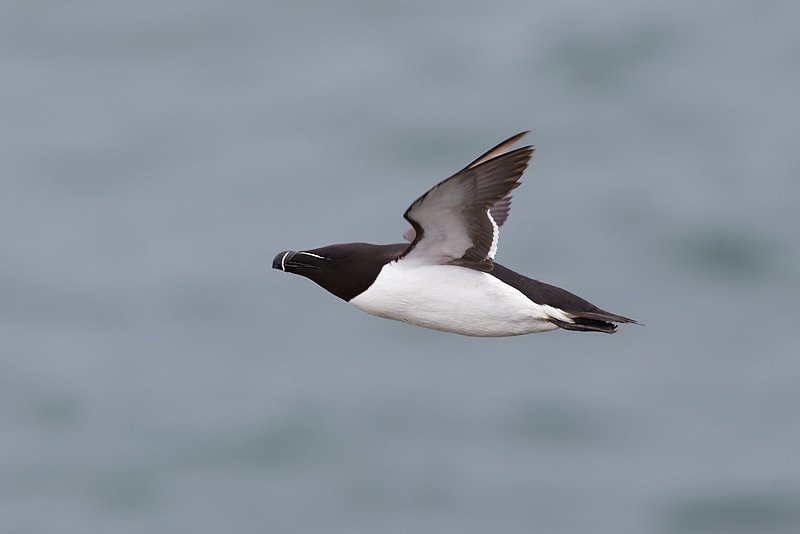
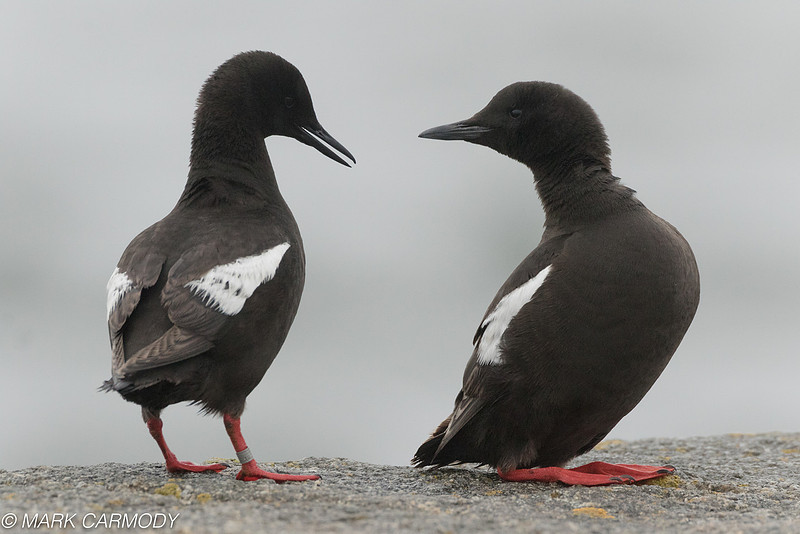
Auks are a group of seabirds that frequent the bay and port areas all year round. There are four species that occur: Common Guillemot, Black Guillemot, Razorbill, and Puffin. All four can be seen during the breeding season (Puffins breed on Lambay and Ireland's Eye islands off the coast of Dublin), while only the first three are found here all year, albeit at lower numbers during the winter months. Black Guillemots are resident all year round.
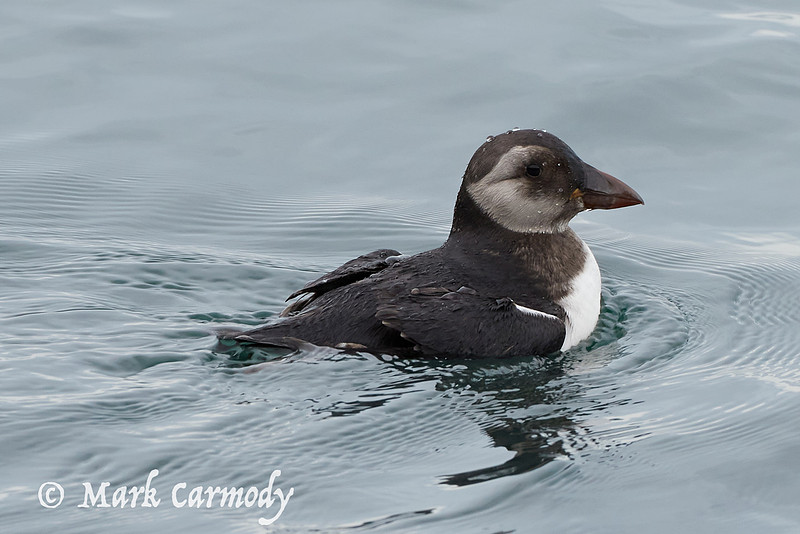
A juvenile Puffin just off the Great South Wall in late autumn
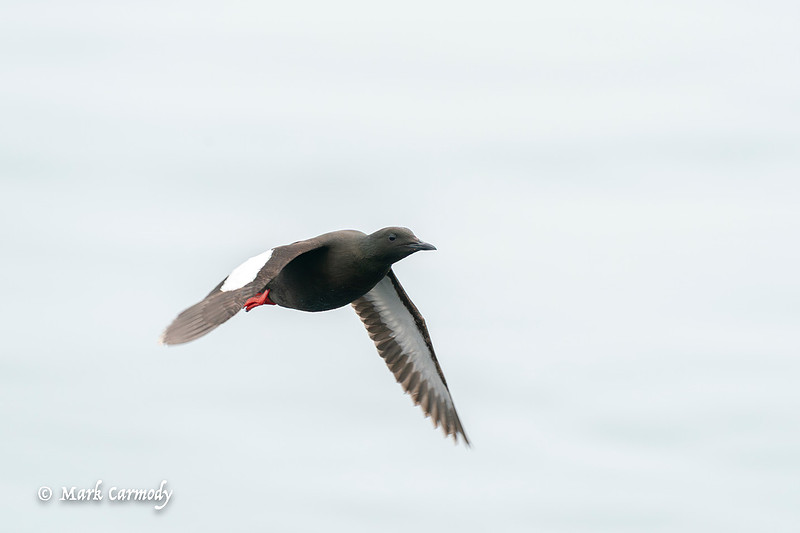
A summer-plumaged Black Guillemot in flight. They nest in cavities of the Great South Wall and are present all year.
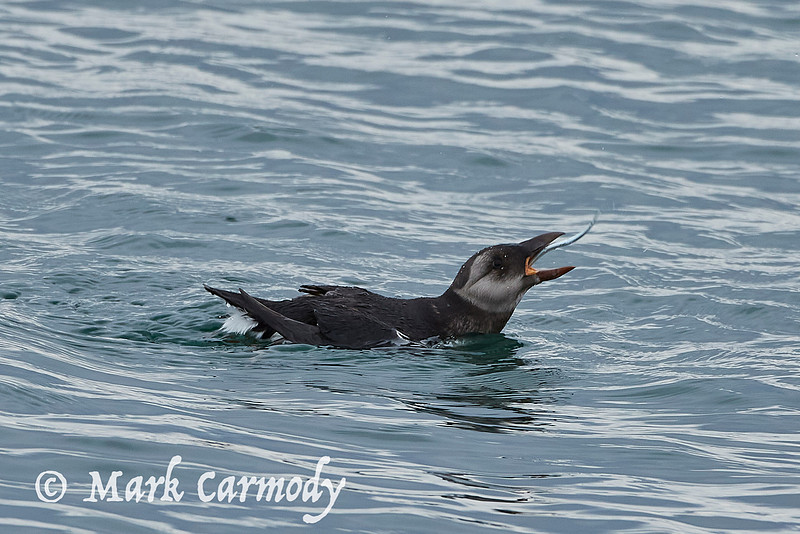
A young Puffin feeding on garfish.
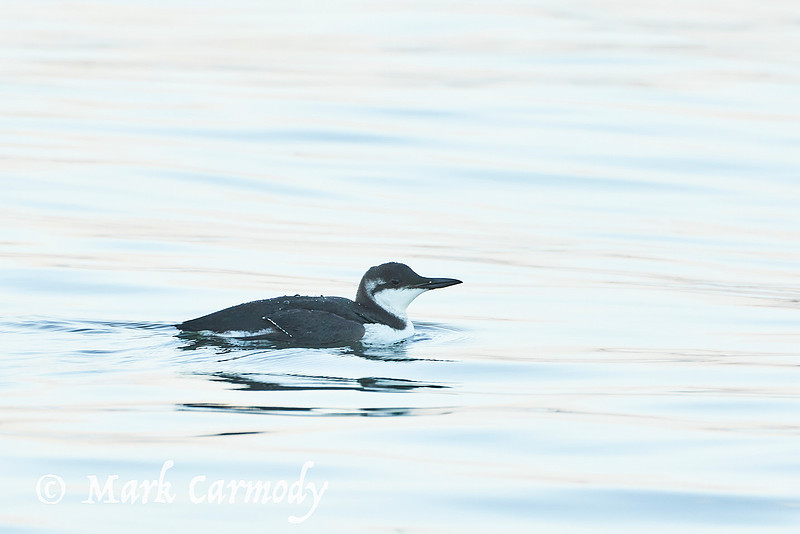
A Common Guillemot in winter plumage.
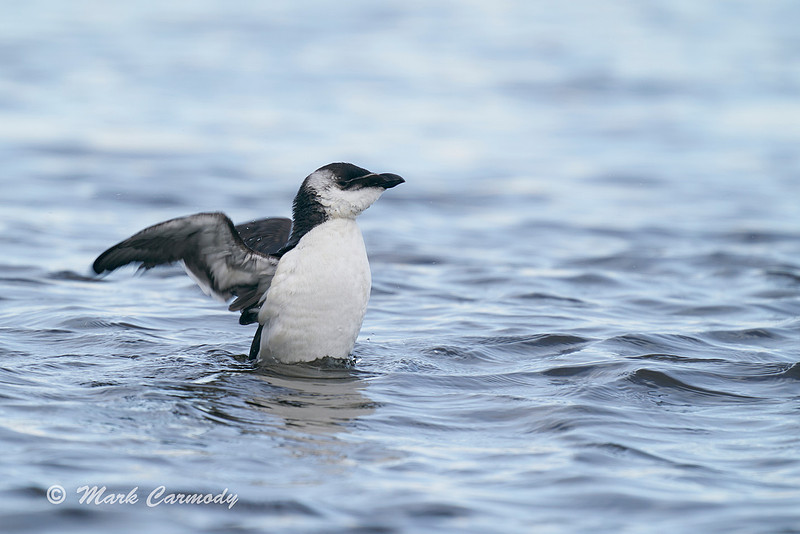
A Razorbill in winter plumage along the Great South Wall.
A summer plumaged Razorbill in flight.
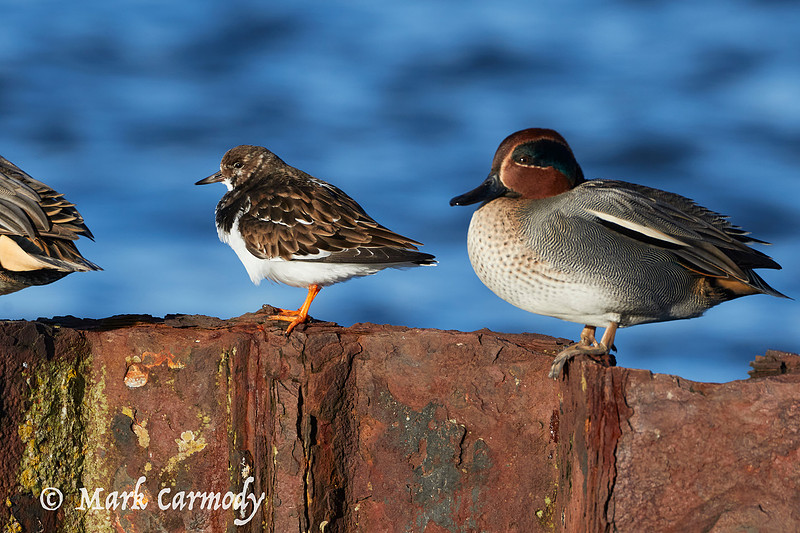
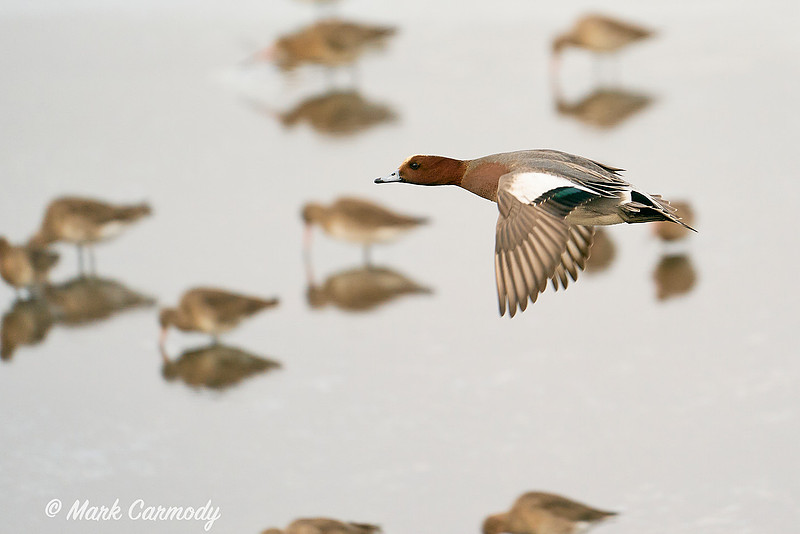
A pair of summer-plumaged Black Guillemots. Duck are also frequent visitors to the port and the Great South Wall. The commonest species is Eurasian Teal, which are regularly found at the outflow from the water treatment plant. Mallard, Wigeon, and Shelduck also frequent the area. Rarer sea duck such Long-tailed Duck, Goldeneye, Tufted Duck, and Common Scoter are also recorded within the Port area. A male Eurasian Teal either side of a Turnstone, perched on one of the rusted pier walls.
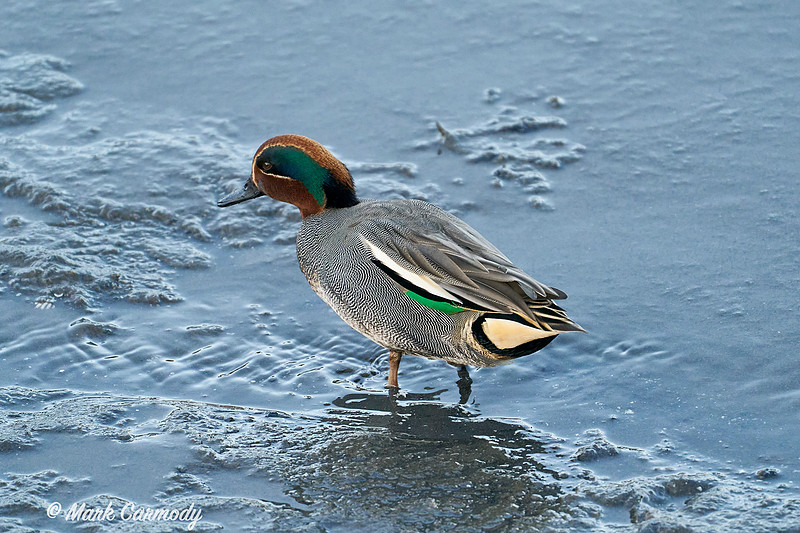
A male Eurasian Teal feeds on the exposed mud at low tide at the base of the Great South Wall.
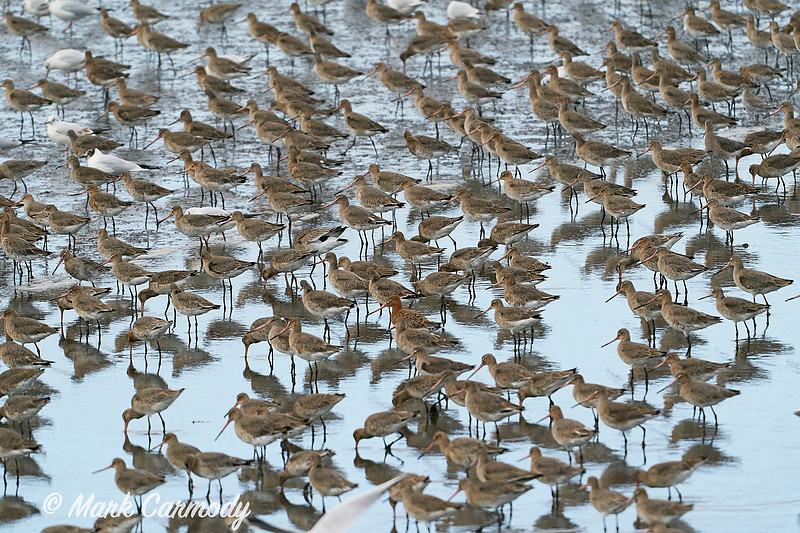
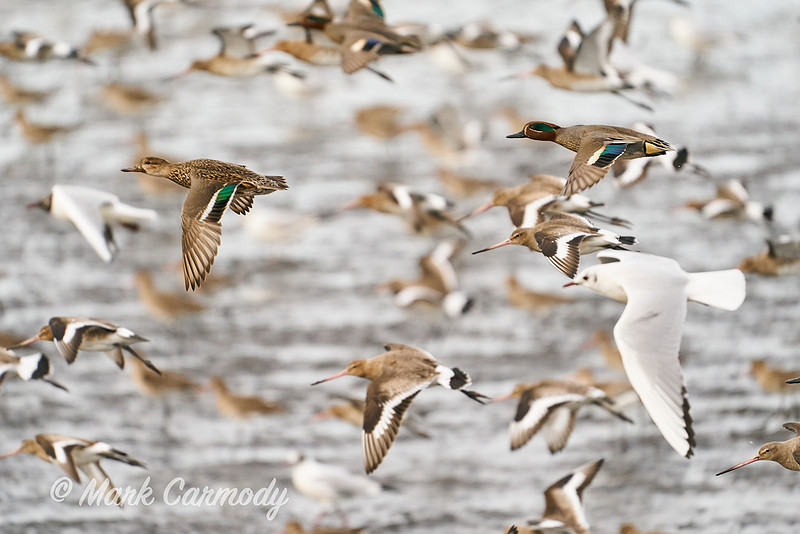
A pair of Eurasian Teal fly in amongst the Black-headed Gulls and Black-tailed Godwit at the base of the Great South Wall at low tide.
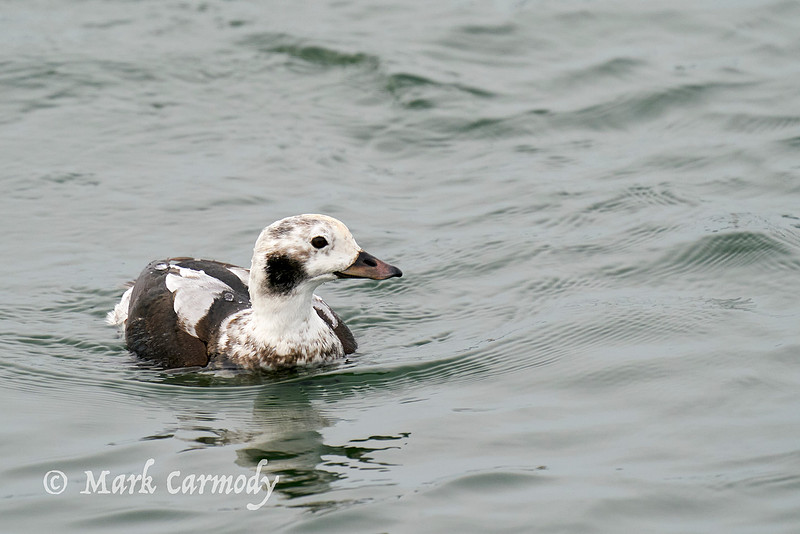
Long-tailed Duck is a rare winter visitor, with up to three birds in the Bay and Port area in recent winters.
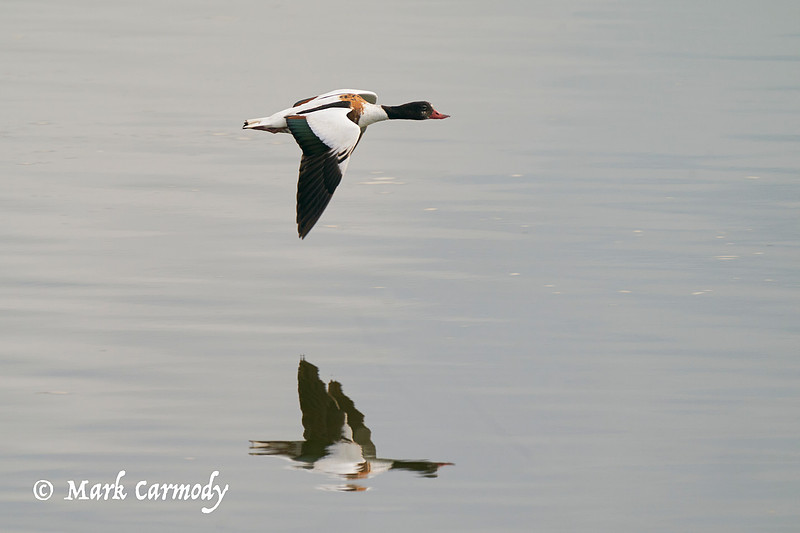
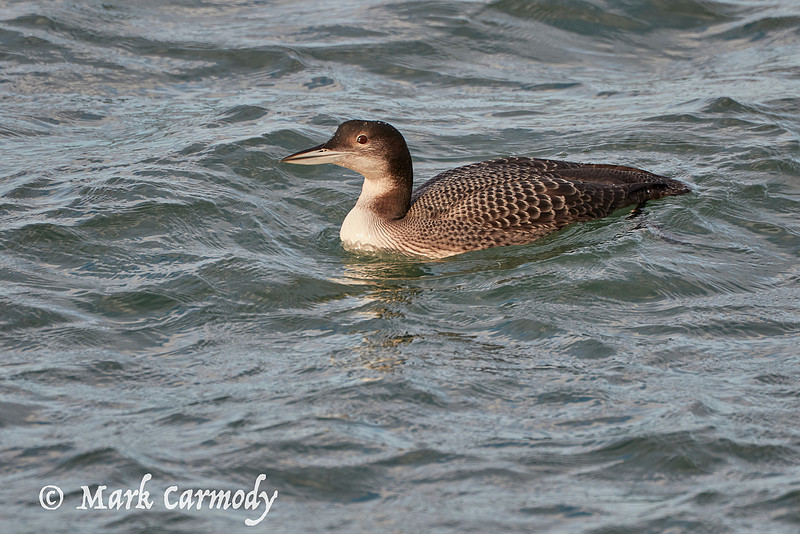
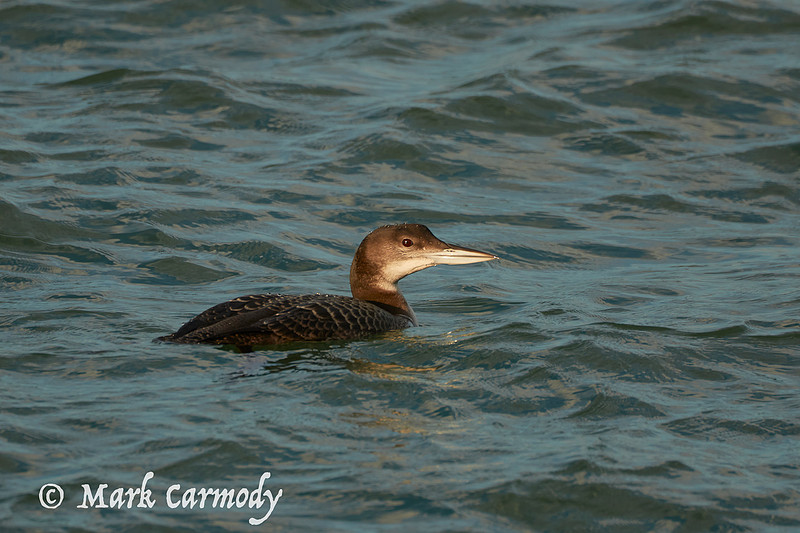
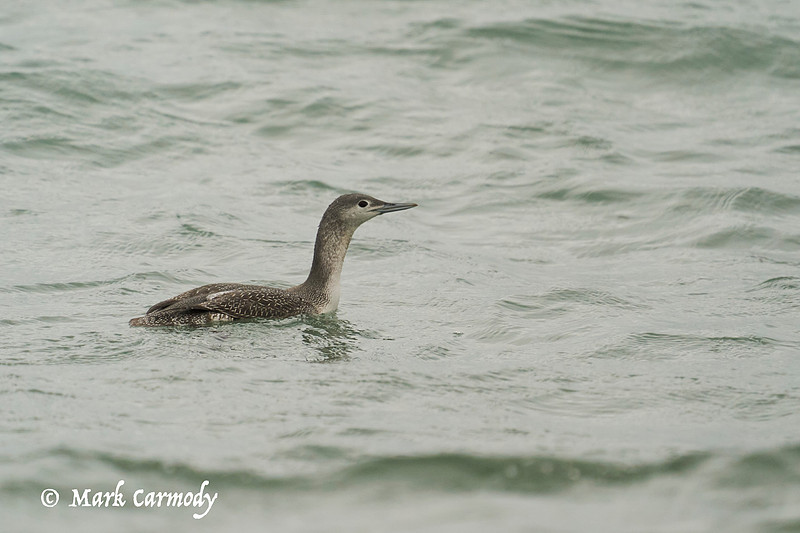
A Common Shelduck flies across the channel between the Great Walls. Other seabirds use the channel along the Great South Wall as a feeding area during the winter months. A superb example of this is the Great Northern Diver. These birds originate from Scotland, Iceland, Canada, and North America. Atlantic Shags breed off the coast on nearby Ireland's Eye and Lambay Islands, while Red-breasted Mergansers winter in the Bay. The mergansers nest on sheltered lakes and large rivers throughout the west and north of the country. They use a variety of nesting habitats, usually located beside fast-flowing rivers, large and small lakes, also along the coast, on islands and sea-loughs (per Birdwatch Ireland). Red-throated Divers are common winter visitors around our coast, but are scarce enough inside the Walls of Dublin Port.
A Great Northern Diver along the Great South Wall.
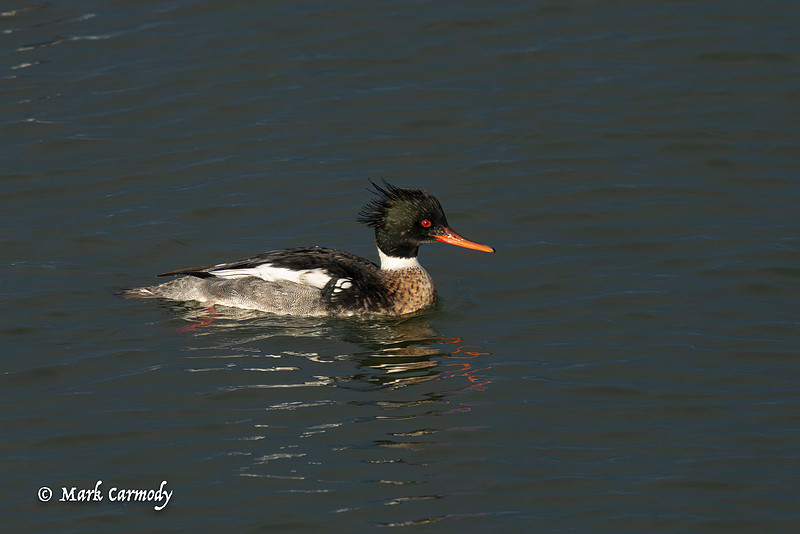
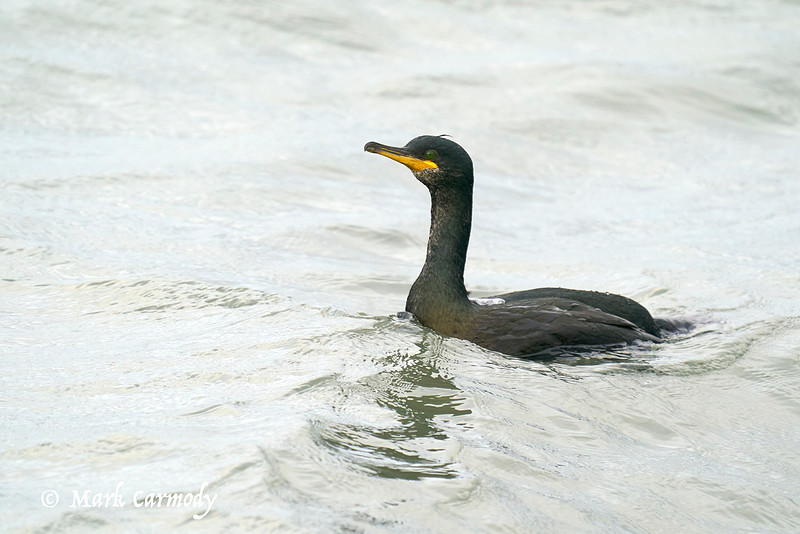
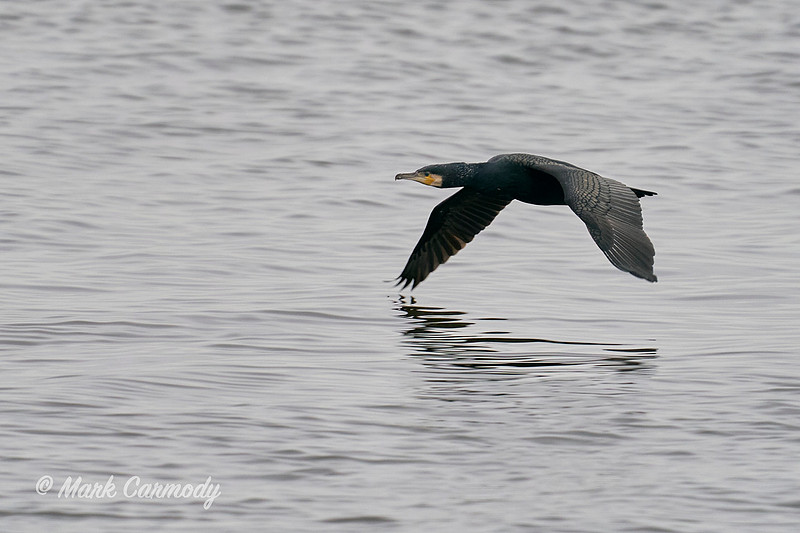
Red-breasted Mergansers, Great Cormorants, and Atlantic Shags also frequent the bay in good numbers during the winter months. The male Mergs (such as the bird below) are resplendent in their summer garb. Both Cormorants and Shags breed on nearby Ireland's Eye and Lambay Island.
A male Red-breasted Merganser cruising along the Great South Wall. They do not always come this close.
An Atlantic Shag is also found along the Great South Wall.
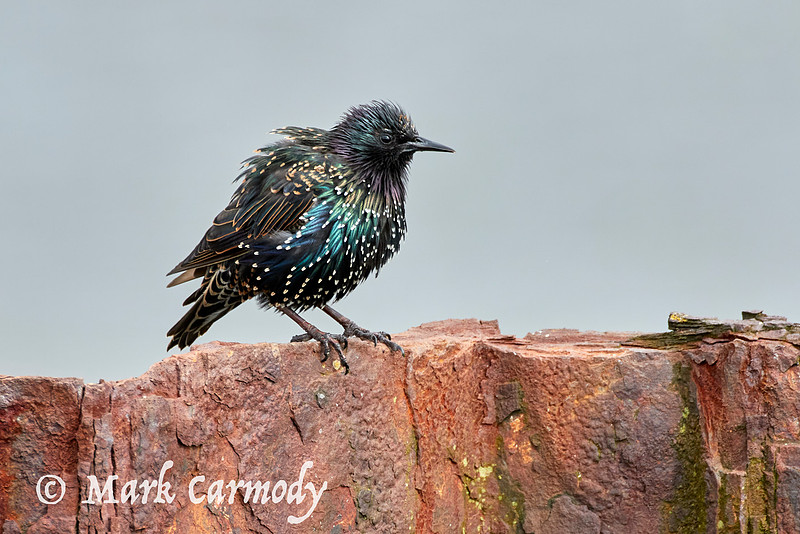
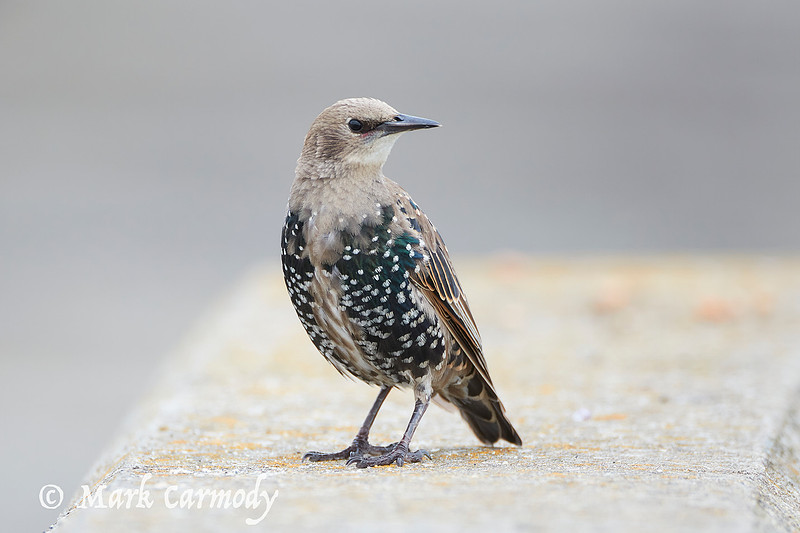
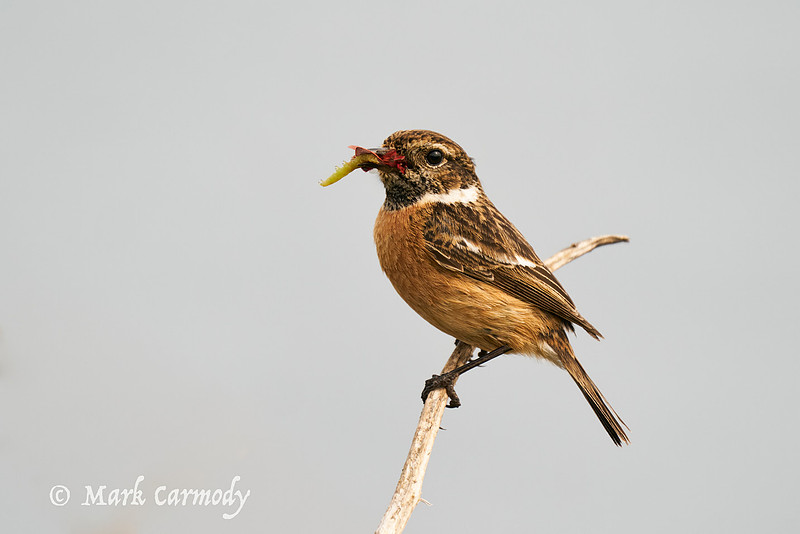
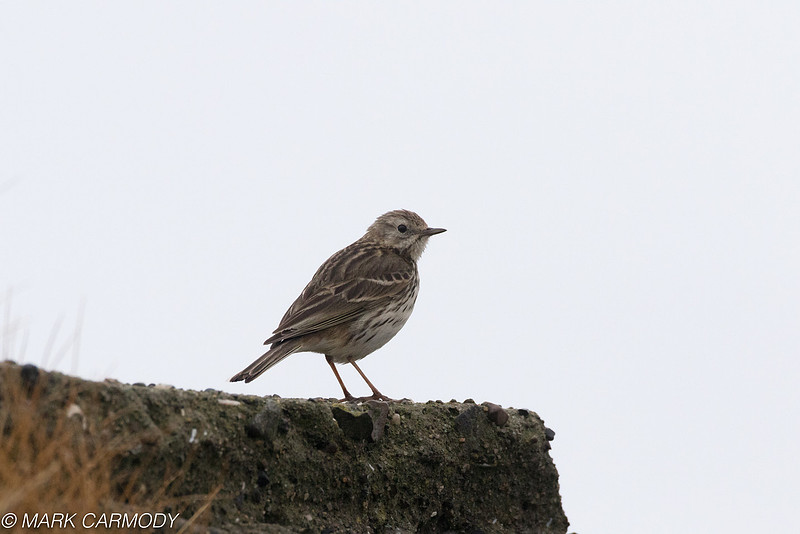
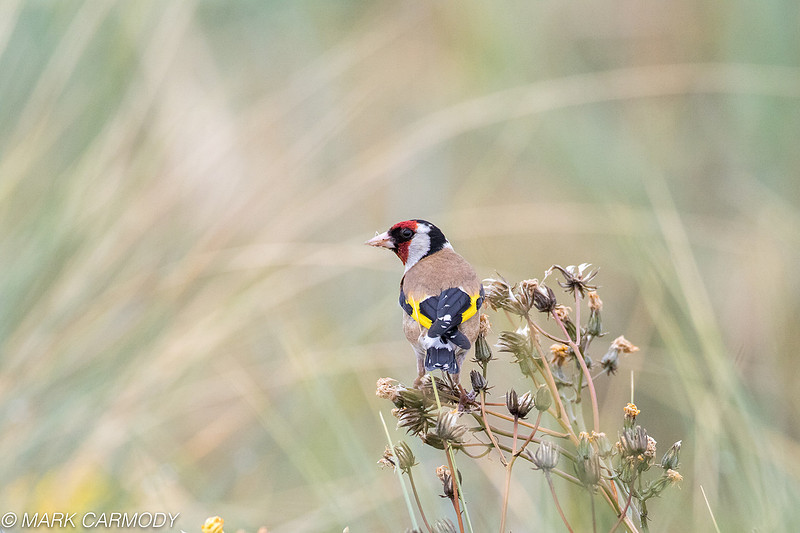
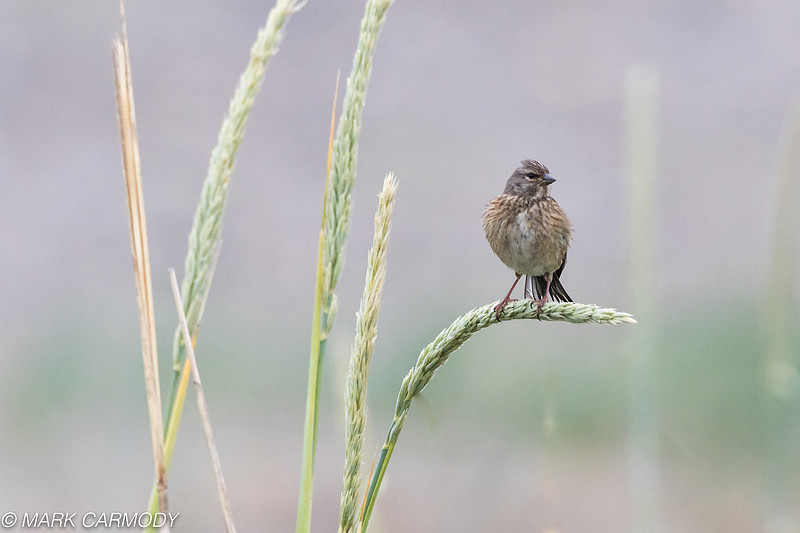
Passerines can also be found around the beach and waste ground areas of Poolbeg/Great South Wall areas. Starlings are quite common, with all the various plumages observable throughout the year. Stonechats, Meadow Pipits, Goldfinches, Linnets, and Pied Wagtail are regularly encountered in the area.
A Starling in breeding plumage looking quite distressed!
A juvenile Starling transitioning to their 1st winter plumage. Quite a striking plumage phase.
A Stonechat carrying food.
A cold Meadow Pipit in the morning fog.
Goldfinches can be found in small numbers along the coast here...
...as can Linnets.
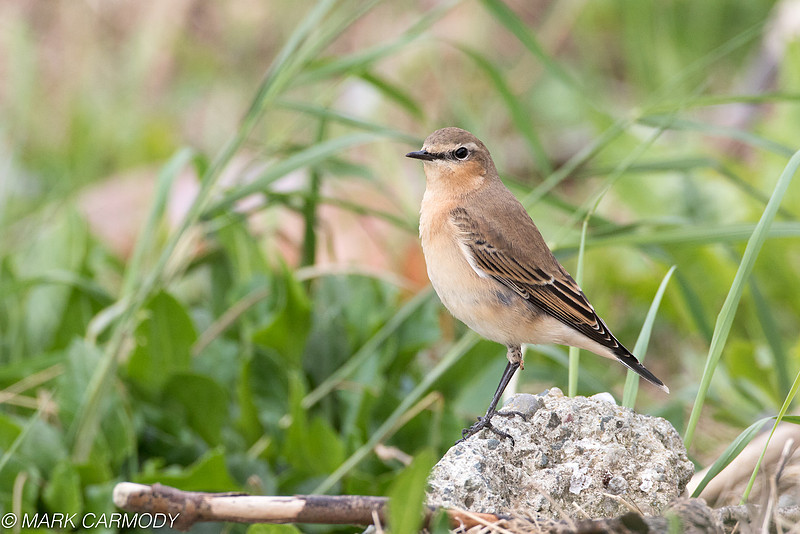
Northern Wheatears pass through during Spring and Autumn passage. It is not clear whether they breed at this location. There is a shortage of suitable breeding habitat.
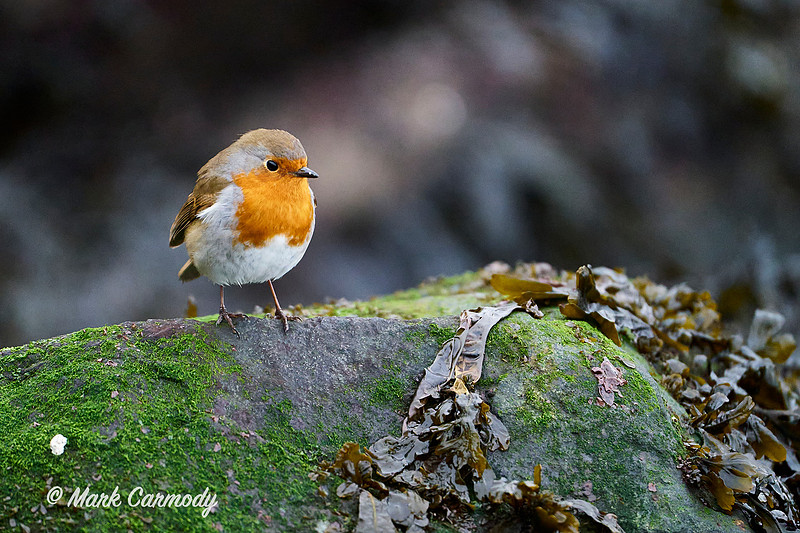
Robins are usually present and can be quite tame.
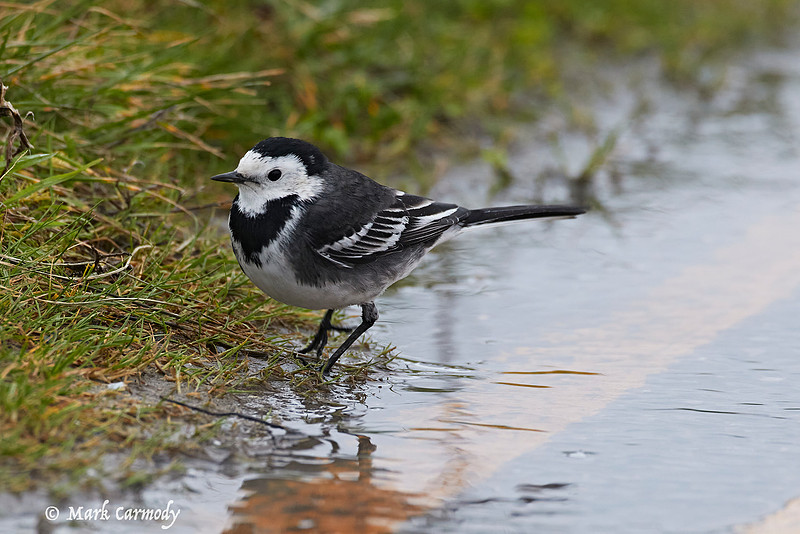
Pied Wagtails are also present and seem to breed successfully every year. Overall, there is a decent spread of species from this location in Dublin Bay. There is always the chance of finding rare and scarce birds during migration and winter time. In addition, it is a great place to get some good photographs of our commoner coastal birds, particularly our diving seabirds and gulls.
Keywords:
Birds Of Ireland,
Carmo Police,
Carmody,
CarmoPolice,
coast,
Dublin,
Gill Books,
Great South Wall,
Ireland,
Irish Sea,
Irishtown Nature Park,
Jim Wilson,
Mark Carmody,
Photography,
Poolbeg,
sea,
Sony

Comments
No comments posted.
Loading...
|